If there is one stop that makes almost every Ubud day tour itinerary, it’s a visit to a coffee plantation. And once you’ve sat at a jungle-edge table, sipped a flight of local brews with the sounds of birds and bamboo around you, it becomes obvious why.
A coffee plantation visit in Ubud is one of those rare travel experiences that manages to be genuinely educational, atmospheric, and relaxed all at once. SatuSatu, a Bali travel platform that helps travelers discover and book experiences across the island, put together this guide so you know exactly what to expect before you show up.
What Is a Coffee Plantation Tour in Ubud?
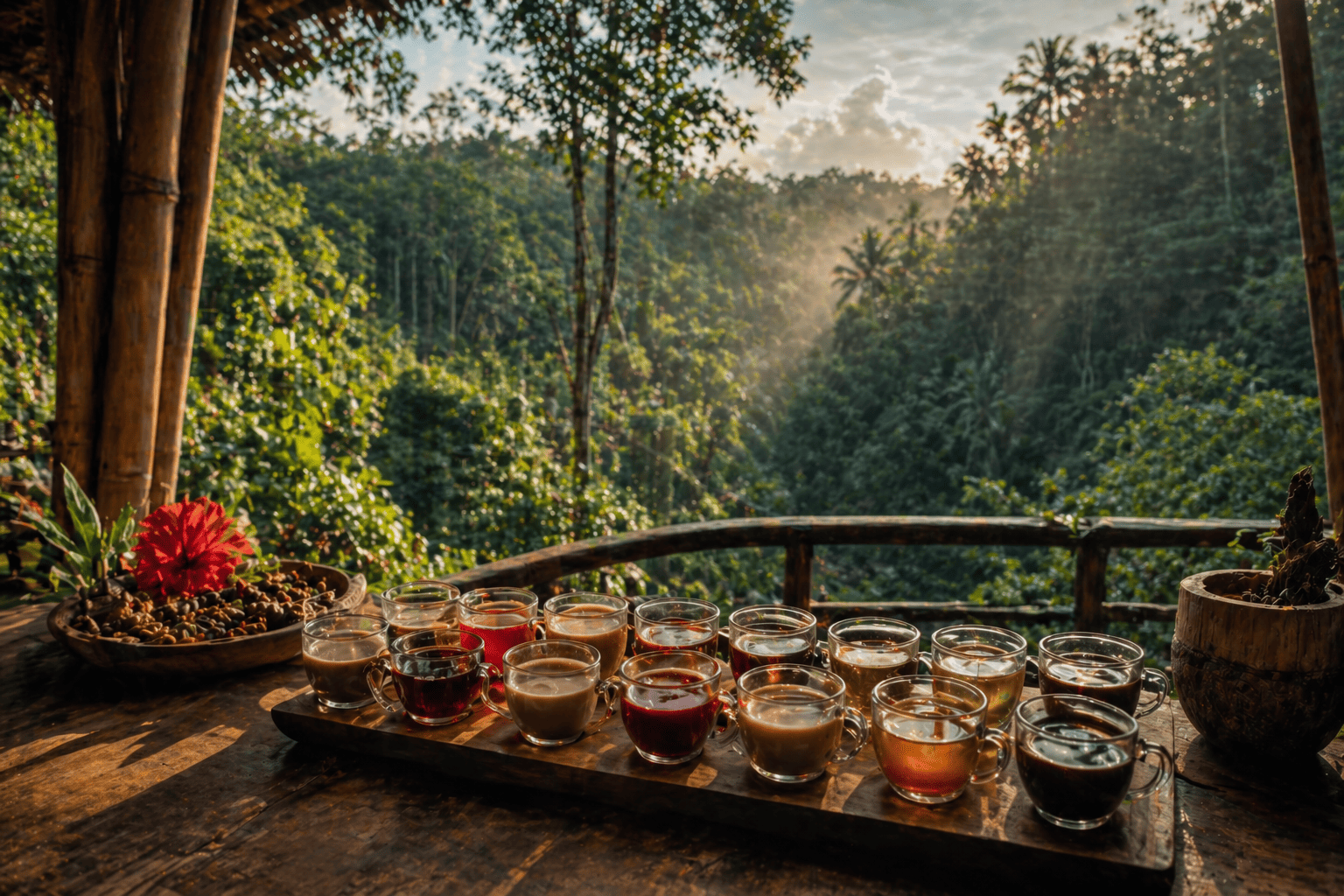
A coffee plantation tour in Ubud is a visitor experience where you walk through a working or semi-working tropical farm, learn how coffee is grown and processed, and sit down to sample a range of locally produced drinks at no cost (or for a small tasting fee).
Most visits also include the option to try Kopi Luwak, the famous civet coffee that Bali is known for internationally.
Most plantation tours in Ubud take around 30 to 45 minutes from start to finish, though you can easily spend longer if you choose to linger over the coffee tasting, browse the on-site shop, or stay for the jungle views.
The experience is free to enter at most plantations, with the farms making their income from drink purchases and bag sales. If you want a cup of Kopi Luwak specifically, expect to pay around IDR 50,000 to IDR 70,000 per cup depending on the location.
The farms grow or display a range of tropical plants alongside the coffee, typically including Robusta and Arabica coffee varieties, cacao, vanilla, ginger, and in some cases salak (Balinese snake fruit) and durian trees.
The guided walk covers the full journey from cherry to cup: harvesting, natural sun-drying, clay-pot roasting over firewood, and grinding. This process is still done by hand at most Ubud-area farms, which gives the tour a genuinely artisanal feeling.
Where Are the Coffee Plantations Near Ubud?
The highest concentration of coffee plantation visitor experiences near Ubud is located in the highlands north of town, roughly 15 to 30 minutes by car from Ubud center.
Several well-known farms are clustered along the road toward Tegallalang and further north toward Kintamani, which is useful because the Tegallalang Rice Terrace is typically visited on the same route, allowing both stops in a single half-day trip.
Bali Pulina is one of the most established plantation experiences in this area, located about 20 minutes north of central Ubud. It charges a small entrance fee of around IDR 100,000 which includes the guided tour, a tasting flight, and a snack, and it has a well-positioned cafe with good views over the Balinese countryside.
Kumulilir is another popular farm along the northern corridor, with scenic photo spots including a bird’s nest and rope bridge available free of charge. The tasting flight at Kumulilir is currently priced at around IDR 50,000.
For visitors who prefer not to leave the center of Ubud, Satria Balinese Coffee is located within the town itself and offers a completely free tour and tasting, though it functions more as a small agricultural museum and gift shop than a working plantation. It’s a good option for those on a tight schedule or budget.
Further afield, the Kintamani highlands north of Ubud are renowned for producing Arabica coffee beans with a distinctively citrusy character, grown in the volcanic soil around Mount Batur at higher elevation.
A full-day Kintamani tour typically includes a coffee plantation visit alongside the volcano crater viewpoint and a buffet lunch with views of Lake Batur.
What You’ll See and Do During the Tour
A typical plantation visit follows a consistent structure regardless of which farm you choose. The guided walk begins in the growing area, where you see coffee trees bearing small red or yellow cherries at various stages of ripeness.
A guide explains the difference between Arabica and Robusta varieties: Arabica grows at higher elevation and produces a lighter, more complex cup, while Robusta is heartier, stronger, and more caffeine-dense.
The processing demonstration is where the experience becomes genuinely interesting. You’ll see the traditional method of drying coffee cherries using direct sunlight, spread on bamboo mats or flat stone surfaces.
From there, the beans are roasted over a wood fire in a clay pan, a method that preserves the natural oils and gives Balinese coffee its distinct smoky-sweet character. You can often try your hand at the grinding process using a traditional wooden pestle and mortar.
Then comes the tasting session. Most farms bring out a tray of ten to fifteen small cups covering different coffees and teas: Balinese Robusta, Arabica, ginseng coffee, ginger tea, vanilla tea, Bali chocolate, and various herbal blends.
These are all free to sample, and vendors explain the flavour profile and growing origin of each one as they go.
The Kopi Luwak option sits separately on the menu at a small premium: this is coffee made from beans that have been consumed and naturally fermented by Asian palm civets, producing a smooth, low-bitterness cup that is unlike regular coffee.
If you choose to buy beans to take home, prices typically range from IDR 50,000 to IDR 200,000 per pack depending on the variety. Arabica and Kopi Luwak command the highest prices, while Robusta blends and flavored coffees sit at the lower end.
Buying directly from the plantation supports the local farming families rather than middlemen, and the beans are as fresh as you’ll find on the island.
When to Visit and Practical Tips
The best time to visit a coffee plantation near Ubud is during Bali’s dry season from April through October. The weather is clearer, cooler in the highlands, and more comfortable for walking through outdoor farm terrain.
Morning visits, ideally before 10:00 AM, give you better light for photography and a calmer atmosphere before the tour groups peak. Plantations closest to Tegallalang get busy between 10:00 AM and 2:00 PM, particularly on weekends.
Wear comfortable shoes with grip, as the farm paths can be uneven and occasionally slippery after light rain. Light, breathable clothing is ideal for the tropical setting. Bring cash for purchases and tips, as many plantations do not accept card payments at the point of sale.
Most importantly, if animal welfare is a concern for you, choose farms that do not keep civets in cages. Several ethical farms in the Ubud area allow civets to roam freely, with the beans collected from natural droppings in the wild.
Getting to the plantations north of Ubud without a driver can be tricky, as the roads are narrow and the farms are not easily walkable from the town center. Hiring a private driver for a half-day or joining a guided day tour that includes a plantation stop is the most practical approach for most visitors.
Explore Coffee Plantation Ubud Further with SatuSatu
Pairing a coffee plantation visit with the rest of your Ubud day is exactly what SatuSatu.com is built for. SatuSatu is a Bali travel platform that connects travelers with curated experiences, private transport, and cultural activities, all bookable with transparent pricing and local payment options.
The SatuSatu Airport Transfer gets you from Ngurah Rai International Airport to your Ubud base comfortably, with fixed pricing and same-day booking, so you arrive ready to explore rather than exhausted from negotiating at the arrivals gate.
For full-day exploration around Ubud including a plantation stop, Tegallalang Rice Terrace, and temple visits, the SatuSatu Exclusive Car Charter gives you a dedicated local driver with completely flexible timing, bookable directly on SatuSatu.com
In the evening after your plantation tour, the SatuSatu Kecak Fire Dance is one of Bali’s most iconic cultural performances and a natural way to close out a day of cultural discovery, with tickets bookable directly through SatuSatu.com
For travelers who want to pair the coffee trail with something more active, the Green Bali Adventure ATV Quad Bike Experience on SatuSatu.com offers a thrilling jungle ride right in the Ubud area, with same-day booking and exclusive merchandise included.
All bookings are made directly on SatuSatu.com which supports local payment methods including BCA, Mandiri, OVO, DANA, credit cards, and more.
FAQ About Coffee Plantation Ubud
What is a coffee plantation tour in Ubud?
It is a guided visitor experience at a working or semi-working tropical farm north of Ubud, where you learn how coffee is grown and processed from cherry to cup, and sample a range of local coffees and teas, typically free of charge.
Is Kopi Luwak available at coffee plantations in Ubud?
Yes. Most plantations near Ubud offer Kopi Luwak as an optional upgrade. Prices typically start around IDR 50,000 per cup. If ethical farming practices are important to you, ask the farm whether their civet coffee is ethically sourced from wild-roaming civets rather than caged animals.
How long does a coffee plantation visit take?
Most tours run 30 to 45 minutes for the guided walk and tasting session. You can spend longer if you wish to browse the shop, enjoy the views, or purchase coffee to take home.
Is there an entrance fee to visit coffee plantations near Ubud?
Most plantations are free to enter. Bali Pulina charges around IDR 100,000 which includes the tour, tasting, and a snack. Kumulilir and several other farms charge no entrance fee and make their income through drink and bean sales.
How do I get to the coffee plantations from central Ubud?
The plantations north of Ubud are 15 to 30 minutes by car and are not easily walkable. Hiring a private driver for the day or joining a guided tour that includes a plantation stop is the most practical approach. This is also the most common way locals and experienced travelers handle the Ubud highlands circuit.