Bali is widely known for its beaches and temples, but beyond the coastline lies another side of the island, one shaped by dense tropical forests, flowing rivers, and secluded waterfalls hidden deep within the jungle. These hidden waterfalls offer a rare chance to escape the crowds and experience Bali at a slower, more peaceful pace.
Surrounded by towering trees, moss-covered cliffs, and fresh mountain air, Bali’s waterfalls feel like natural sanctuaries. The sound of cascading water, filtered sunlight through leaves, and cool mist in the air create an atmosphere that invites visitors to pause, breathe, and reconnect with nature.
The Journey Through Bali’s Jungle Landscapes
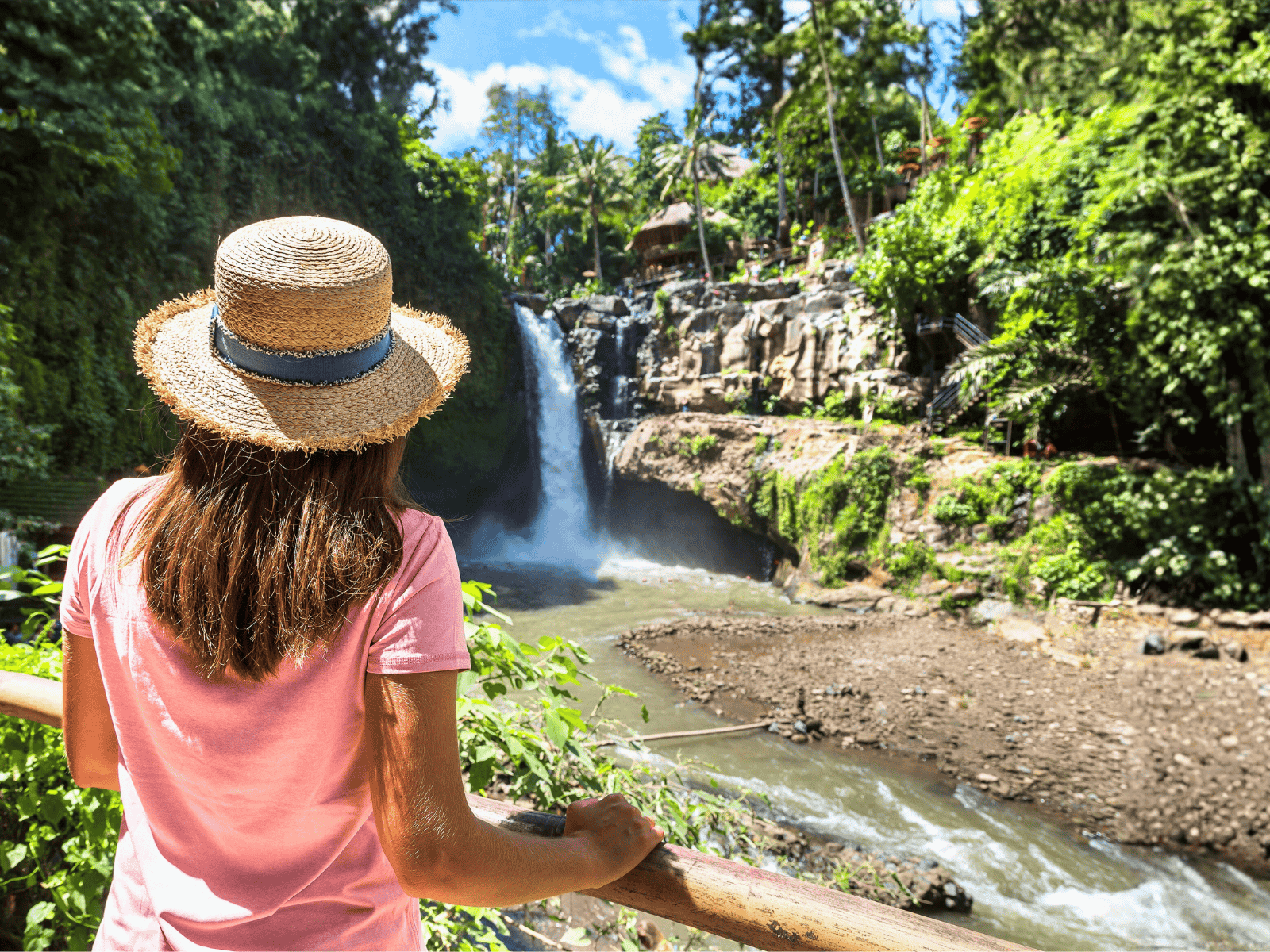
Reaching many of Bali’s hidden waterfalls is part of the adventure itself. Visitors often walk along narrow jungle trails, cross small streams, and descend stone steps surrounded by lush vegetation.
Along the way, tropical plants, hanging vines, and occasional sightings of butterflies or birds add to the sense of discovery. The journey builds anticipation and when the waterfall finally comes into view, the experience feels even more rewarding.
Who Is This Experience For?
These jungle walks are generally suitable for most fitness levels, making waterfall visits ideal for couples, solo travelers, and families who want to experience Bali beyond its main tourist attractions.
A Natural Sanctuary Beneath the Waterfall
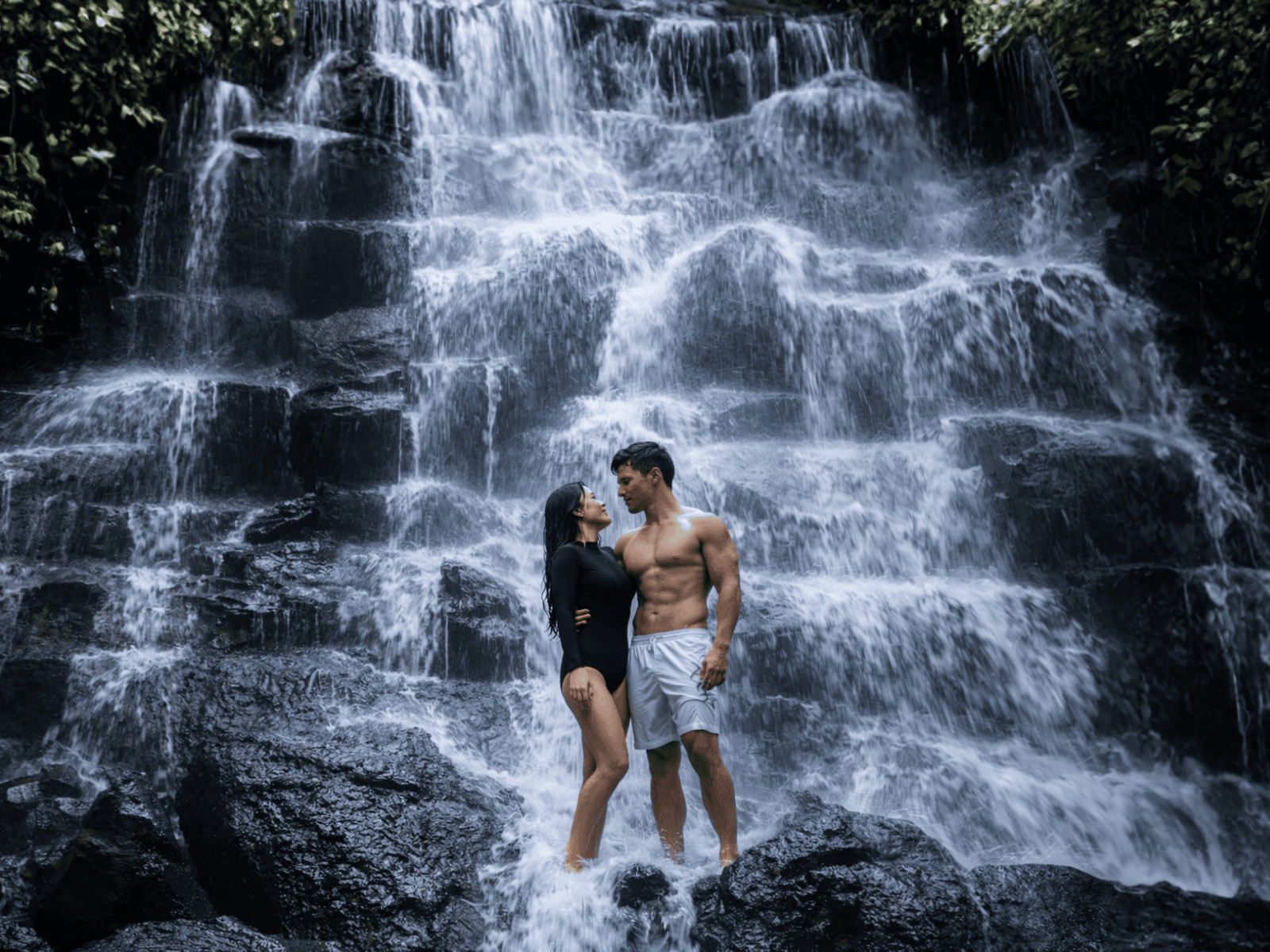
At the base of the waterfall, a natural pool often forms where cool, clear water gathers beneath the cascade. The surrounding rocks and greenery create a sense of privacy, turning the area into a peaceful retreat from the outside world.
In Balinese culture, waterfalls are often seen as sacred spaces, places of cleansing and renewal. Some visitors choose to swim, while others simply sit by the water, enjoying the calm atmosphere and rhythmic sound of flowing water.
Whether you take a dip or simply relax nearby, this moment becomes less about sightseeing and more about slowing down and being present in nature.
Best Time to Visit Bali’s Waterfalls
The best time to visit Bali’s waterfalls is in the morning, when the light is soft and the surroundings feel quieter and less crowded. Early visits also offer better conditions for photography and a more intimate experience.
Seasonal Differences
During the rainy season, waterfalls become more powerful and dramatic, while in the dry season, water levels are calmer and more suitable for swimming. Regardless of the season, proper footwear is recommended, as jungle paths can be slippery.
A Curated Half-Day Waterfall Experience
Waterfall visits fit seamlessly into a half-day itinerary and are often combined with nearby attractions such as rice terraces, temples, or traditional villages.
Sample Half-Day Itinerary
08:00 – Hotel pickup
09:00 – Jungle walk to the waterfall
09:30 – Waterfall exploration and relaxation
12:00 – Lunch at a local café
13:30 – Return to hotel or continue to nearby attractions
Why Bali’s Hidden Waterfalls Are Worth Exploring
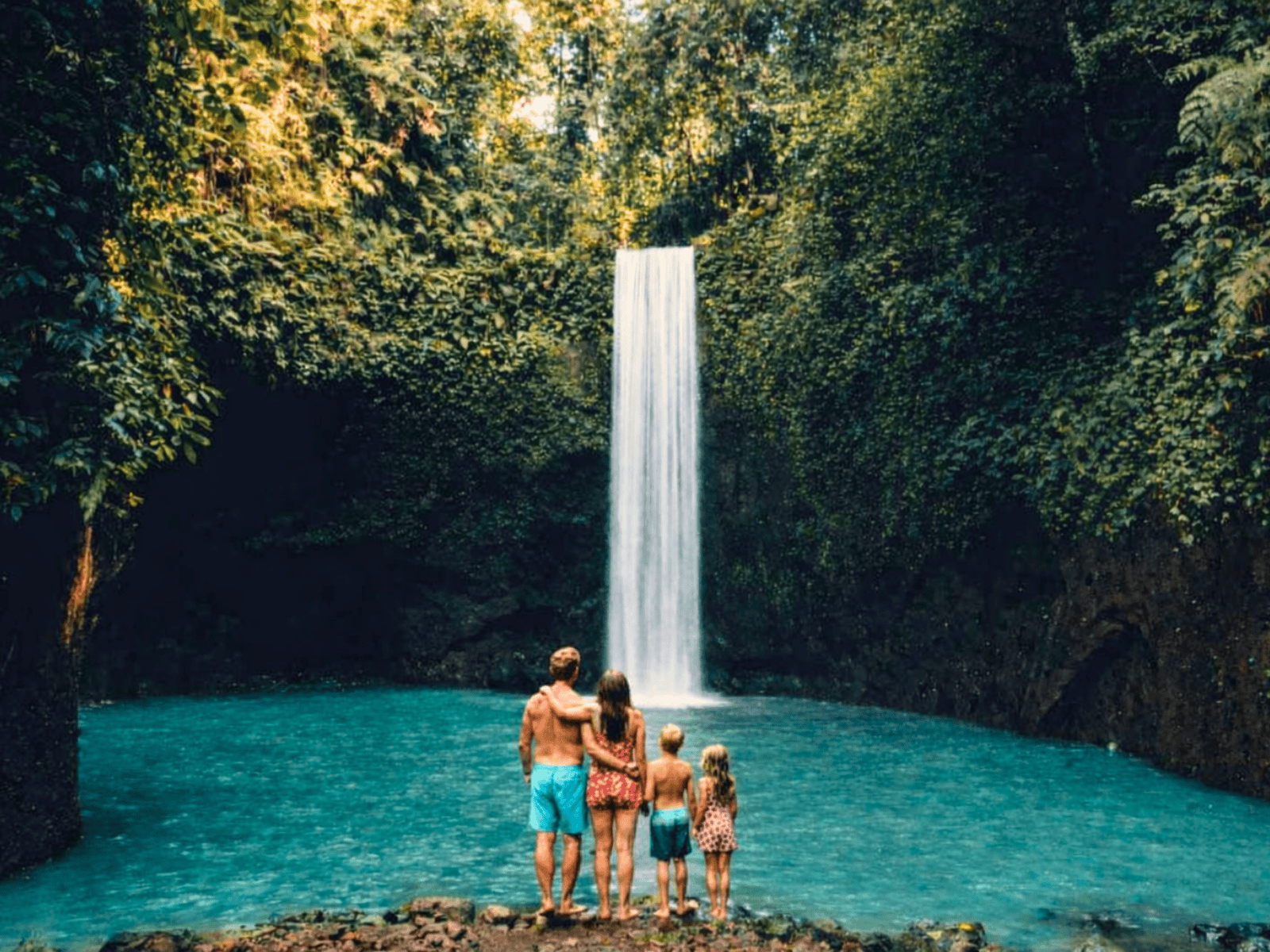
Bali’s hidden waterfalls offer more than just scenic beauty. They provide a chance to step away from busy tourist areas and reconnect with the island’s natural rhythm. Surrounded by jungle, flowing water, and serene silence, these hidden gems reveal a quieter, more authentic side of Bali.
Looking to explore Bali’s most beautiful waterfalls without the hassle of planning?
Discover curated nature experiences and waterfall journeys with SatuSatu, and experience Bali in the Local Way.