Where to Go and What to Do Across the Island
Bali often appears smaller than expected. However, once you begin traveling across the island, its diversity becomes unmistakable. Distinct regions shape dramatically different experiences, from energetic coastlines to spiritual highlands and protected wilderness.
Therefore, understanding Bali geographically is one of the smartest decisions a traveler can make. Instead of spending hours in transit, you can design a route that flows naturally between regions.
Although distances look short on a map, travel times vary due to traffic, terrain, and daily ceremonies. Consequently, grouping destinations by area improves comfort and allows for deeper exploration.
This guide breaks Bali into its major regions, explains what defines each one, and highlights the experiences that make the journey worthwhile.
South Bali: Coastal Energy and Effortless Access
Distance from airport: 15–45 minutes
South Bali introduces travelers to the island with immediate ease. Because of its proximity to Ngurah Rai International Airport, the region allows visitors to settle in quickly while still offering a wide spectrum of activities.
While often associated with beach culture, South Bali balances relaxation with sophistication. Dramatic cliffs rise above the ocean in Uluwatu, seafood dinners unfold directly on the sand in Jimbaran, and Seminyak pairs coastal scenery with refined dining.
- Why go:
Accessibility, vibrant atmosphere, and diverse coastal experiences make this region an ideal starting point. - Signature experiences:
Surfing beginner-friendly waves, sunset viewing from limestone cliffs, beachfront dining, exploring stylish cafés, and enjoying water sports along protected bays. - Best for:
First-time visitors, short stays, families, and travelers seeking comfort without sacrificing variety. - Strategic insight:
Consider staying here at the beginning or end of your journey rather than throughout your trip.

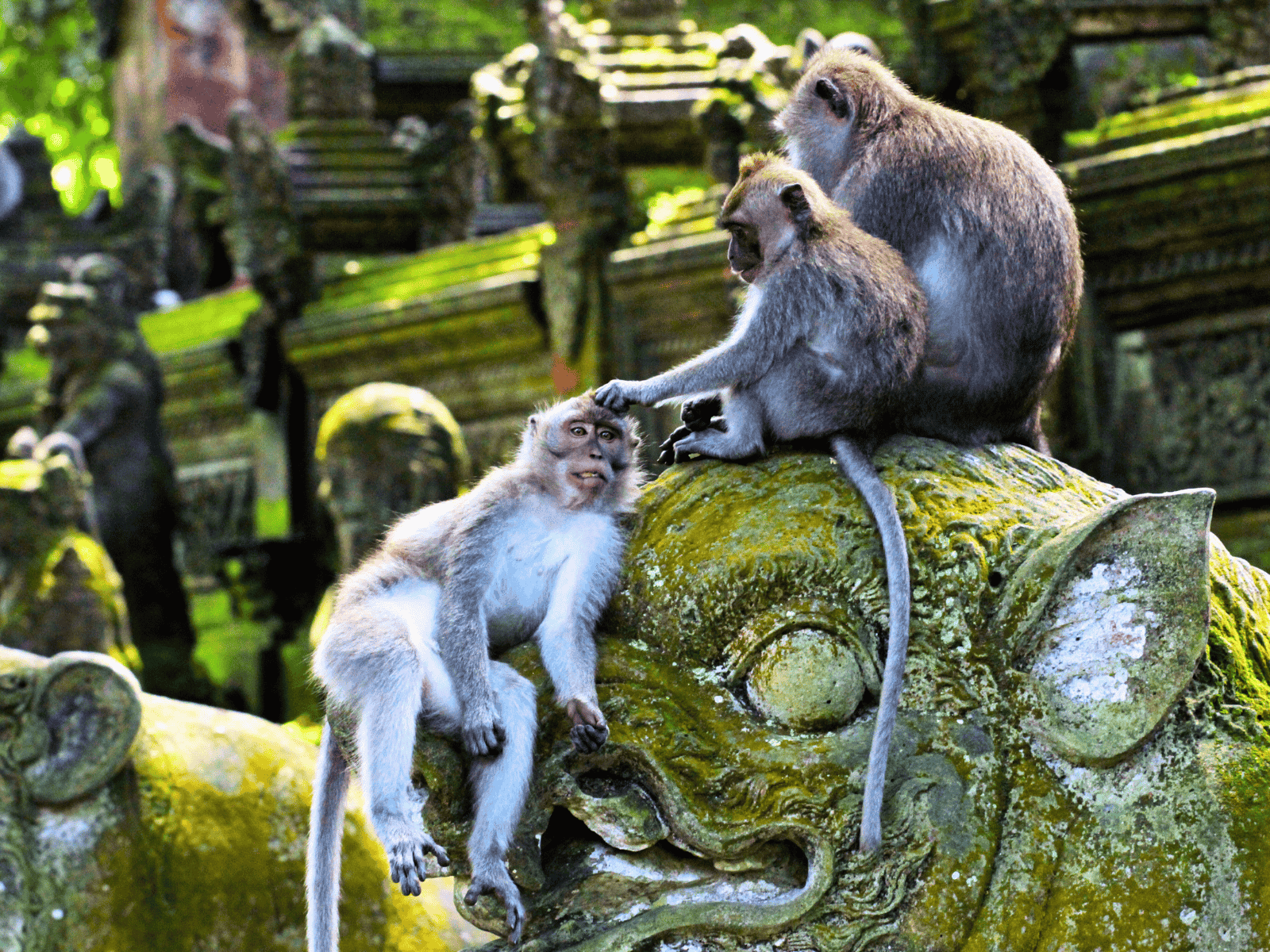
Ubud and Central Bali: Cultural Depth and Living Traditions
Distance from airport: approximately 1–1.5 hours
Ubud moves at a noticeably different rhythm. As traffic fades into forest-lined roads, the atmosphere shifts toward reflection, creativity, and ceremony.
Regarded as Bali’s cultural heart, the region blends spiritual heritage with contemporary expression. Temples remain active, artisans continue generational crafts, and daily offerings quietly shape the landscape.
- Why go:
Few places balance culture, nature, and creativity as seamlessly as Ubud. - Signature experiences:
Walking through rice terraces at sunrise, visiting sacred temples, joining a Balinese cooking experience, rafting through jungle valleys, exploring artisan workshops, and practicing yoga in open-air studios. - Best for:
Experience seekers, couples, solo travelers, and culturally curious visitors. - Strategic insight:
Plan at least three nights. Ubud reveals itself best at an unhurried pace and ranks among the most meaningful things to do in Bali.
East Bali: Scenic Calm and Cultural Heritage
Distance from airport: approximately 1.5–2.5 hours
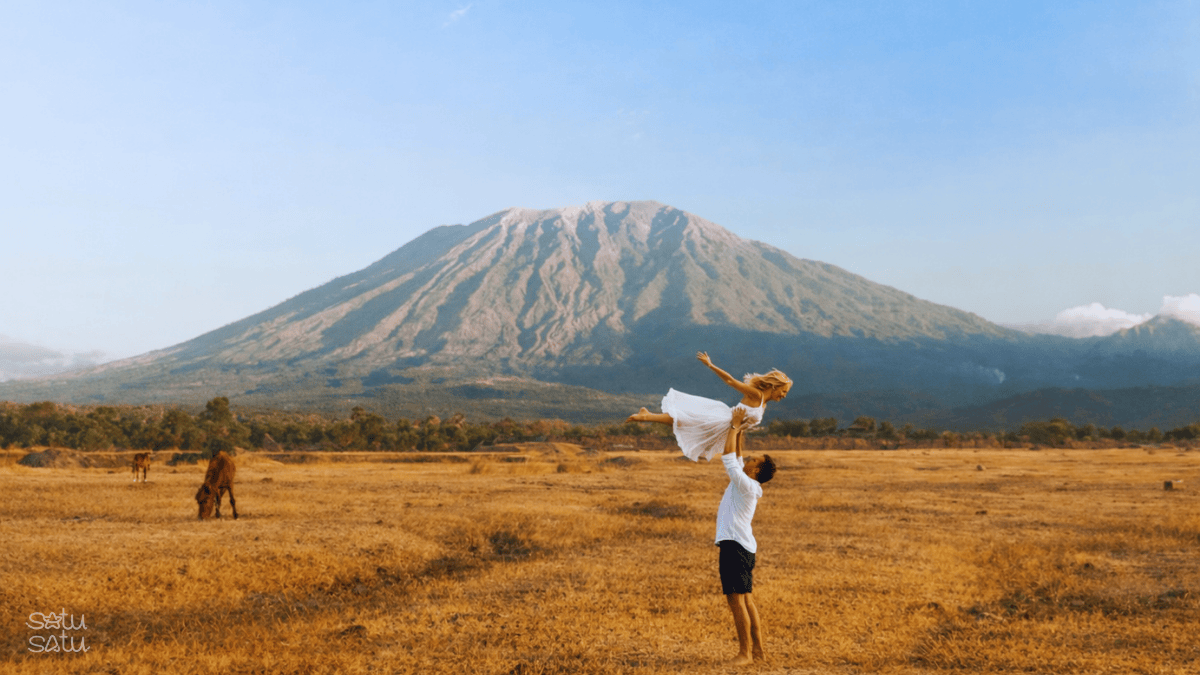
East Bali unfolds gradually, rewarding travelers with quieter roads, coastal panoramas, and villages rooted in long-standing tradition. Mount Agung rises prominently in the distance, reinforcing the spiritual significance that defines much of the region.
Compared to busier areas, the pace feels refreshingly measured.
- Why go:
The region offers a compelling blend of natural beauty and living heritage without the density of southern tourism. - Signature experiences:
Watching sunrise near volcanic landscapes, snorkeling along Amed’s reefs, visiting historic water palaces, trekking through agricultural valleys, and observing village life shaped by ritual. - Best for:
Return travelers, photographers, and those drawn to slower exploration. - Strategic insight:
East Bali pairs naturally with Ubud, creating a route that minimizes travel strain while maximizing scenery.
North Bali: Dramatic Landscapes and Expansive Quiet
Distance from airport: approximately 2.5–3.5 hours
Reaching North Bali requires patience. However, the transition brings cooler air, mountain vistas, and a noticeable absence of crowds.
Here, waterfalls descend through rainforest, volcanic lakes reflect shifting light, and coastal waters remain calm. Because development is lighter, nature consistently takes the lead.
- Why go:
For travelers seeking space and immersion, North Bali delivers some of the island’s most striking terrain. - Signature experiences:
Trekking to multi-tiered waterfalls, dolphin watching at sunrise, hiking through highland forests, and visiting panoramic viewpoints. - Best for:
Nature lovers, adventure travelers, and repeat visitors ready to explore beyond familiar routes. - Strategic insight:
Stay at least two nights. The distance deserves a slower, more intentional itinerary.

West Bali: Wilderness and Conservation-Led Travel
Distance from airport: approximately 3–4 hours
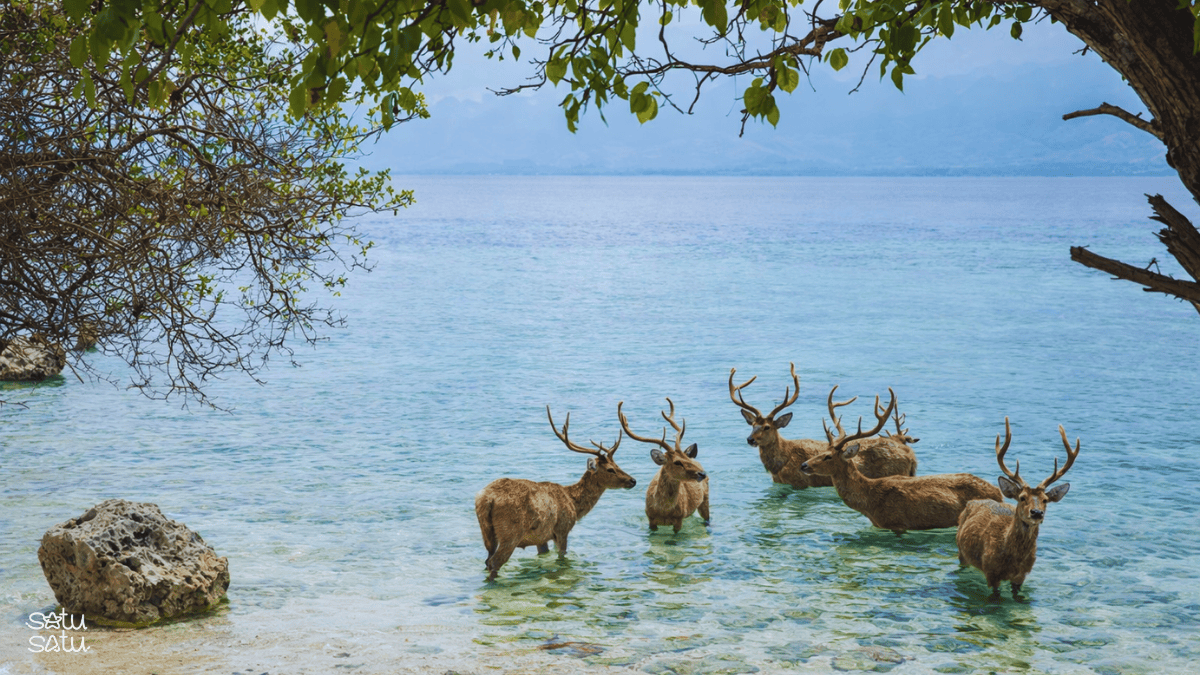
West Bali feels markedly different from the island’s more visited regions. Development remains intentionally limited, allowing ecosystems to thrive and landscapes to remain largely uninterrupted.
As the scenery shifts from coastal roads to protected forest, the pace slows naturally.
- Why go:
West Bali reveals a quieter dimension of the island, where environmental preservation shapes the travel experience. - Signature experiences:
Guided trekking within West Bali National Park, wildlife observation, diving or snorkeling around Menjangan Island, and visiting Pemuteran’s reef restoration initiatives. - Best for:
Slow travelers, divers, eco-conscious visitors, and those seeking distance from dense tourism zones. - Strategic insight:
Combine West and North Bali for a cohesive nature-focused journey rather than attempting a rushed visit.
Bali’s Offshore Islands: Raw Beauty Beyond the Mainland
Distance from airport: about 30–45 minutes to the harbor, followed by a 30–50 minute boat ride
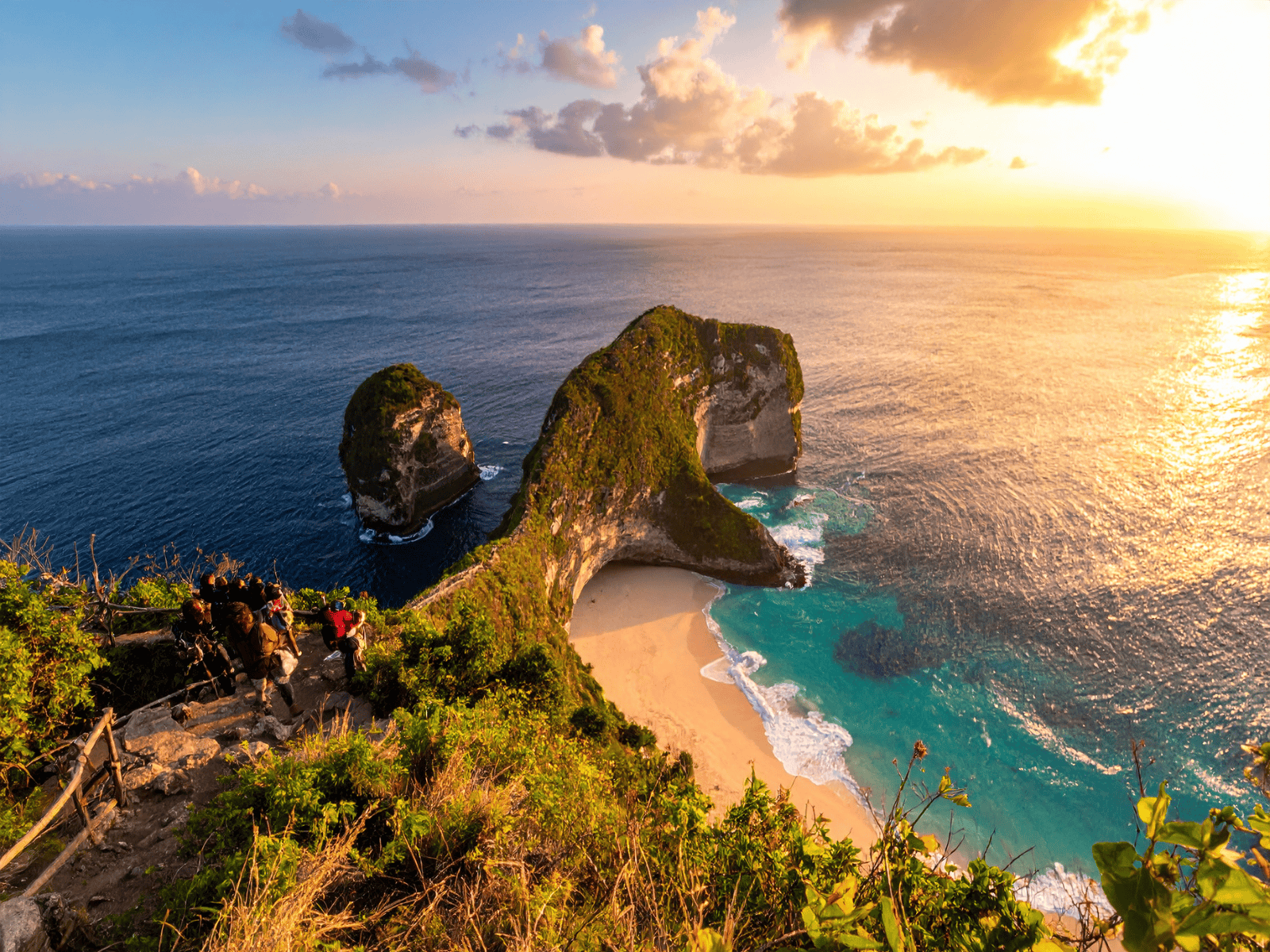
Just offshore, Bali’s satellite islands introduce a more rugged environment defined by dramatic cliffs, vivid water, and powerful ocean currents.
Although infrastructure continues to improve, the terrain remains adventurous enough to preserve a sense of discovery.
- Why go:
The islands provide some of the region’s most visually striking coastal scenery and marine biodiversity. - Signature experiences:
Snorkeling with manta rays, diving coral-rich waters, exploring cliff formations, and discovering secluded beaches. - Best for:
Adventure seekers, photographers, and ocean enthusiasts. - Strategic insight:
An overnight stay allows the landscape to be experienced without the pressure of day-trip timelines.
Designing a Smarter Bali Journey
Rather than jumping between distant regions, organize your route geographically. A south-to-north progression often creates the smoothest flow while reducing unnecessary backtracking.
Balance high-energy excursions with slower days, and focus on depth rather than volume. Curated local experiences in Bali consistently offer more lasting value than rushed landmark visits.
When to Visit
Bali welcomes travelers throughout the year. However, seasonal patterns influence visibility, water flow, and mobility.
Dry months typically support easier travel, while the rainy season enhances waterfalls and jungle scenery. Therefore, aligning your itinerary with the environments you hope to experience can significantly elevate the journey.
Why Bali Rewards Intentional Exploration
Many travelers attempt to see everything in a single visit. Yet Bali reveals itself most meaningfully through thoughtful pacing.
Each region tells a different story. Coastal hubs energize, cultural centers ground, and remote territories invite reflection. Consequently, approaching the island with intention transforms travel from a checklist into a narrative.
Travelers ready to plan their journey can explore curated experiences in Bali designed around connection, discovery, and authenticity.