Bali is not only a paradise of beaches and temples, but also a destination where food tells stories. From smoky roadside grills to elegant beachfront restaurants, the island’s cuisine reflects its culture, rituals, and connection to nature. Whether you are a first-time visitor or a returning traveler, exploring Balinese food is one of the most immersive ways to understand the island.
Moreover, Bali offers a culinary journey that moves effortlessly from traditional warungs in Ubud to seafood feasts in Jimbaran. Therefore, this guide will help you discover what to eat in Bali, where to find authentic flavors, and how to experience the island’s food culture like a local.
Why Balinese Food Is So Unique
Balinese cuisine is rooted in local ingredients, aromatic spices, and communal traditions. Rice forms the foundation of most meals, while herbs, chilies, and coconut add depth and complexity. At the same time, food in Bali is closely tied to ceremonies, family gatherings, and spiritual rituals.
As a result, every dish carries not only flavor, but also meaning. Whether you prefer savory, spicy, or sweet dishes, Bali’s food scene offers endless discoveries.
Must-Try Balinese Dishes
Babi Guling (Balinese Suckling Pig)
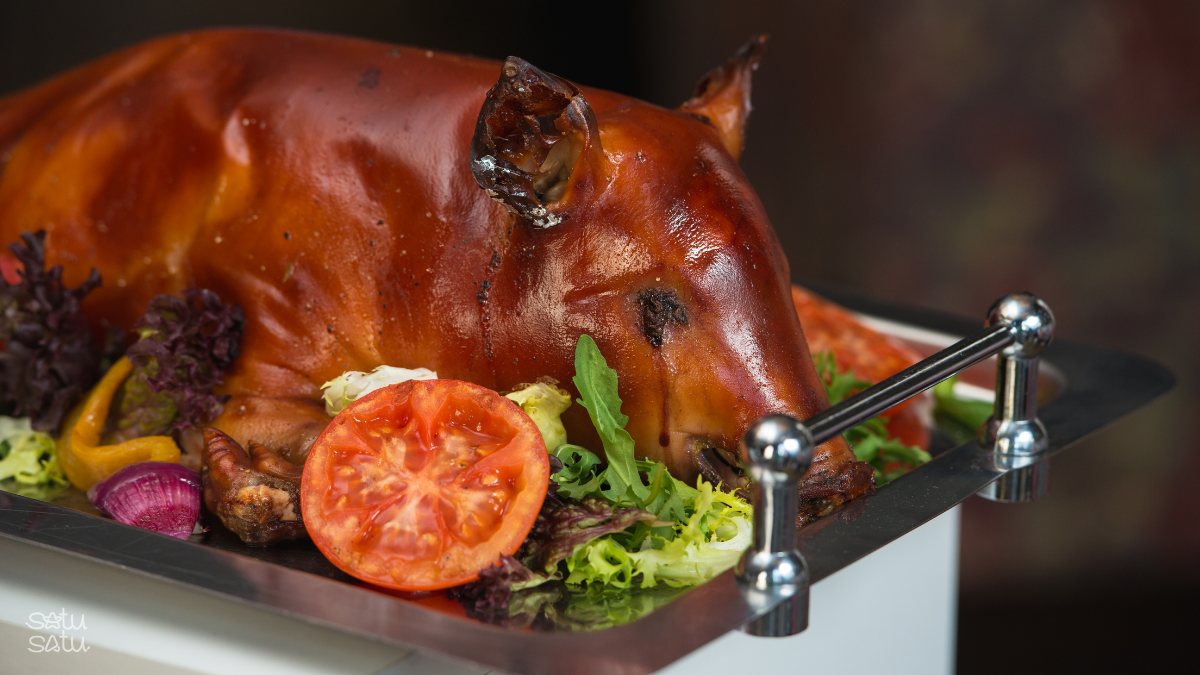
Babi guling is one of Bali’s most iconic dishes. Traditionally served during ceremonies, it is now widely available across the island. The pork is stuffed with spices such as turmeric and garlic, then slow-roasted until the skin turns crispy.
Consequently, the combination of crunchy skin and tender meat creates an unforgettable taste. For the best experience, try babi guling at a traditional warung in Ubud.
Bebek Betutu (Spiced Duck)
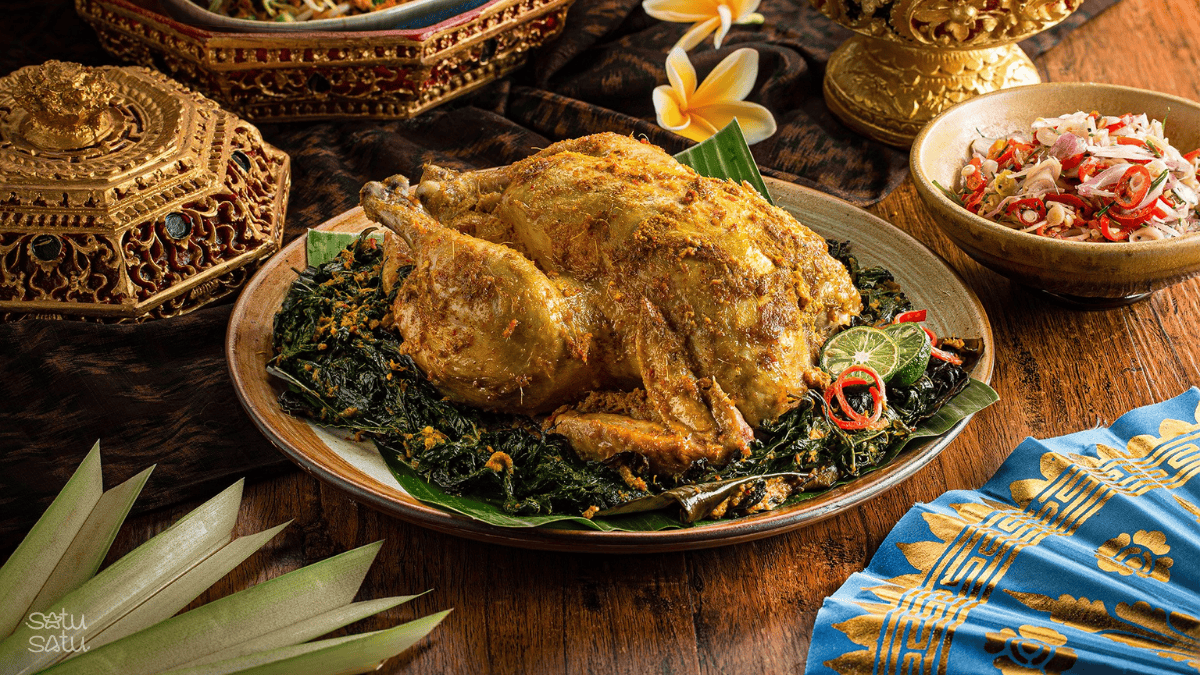
Bebek betutu is a ceremonial dish where duck is marinated in rich spices and slow-cooked in banana leaves. The result is deeply aromatic and incredibly tender meat.
Meanwhile, this dish is often served with sambal matah, which adds a fresh and spicy contrast. It is especially popular in coastal areas such as Jimbaran.
Sate Lilit
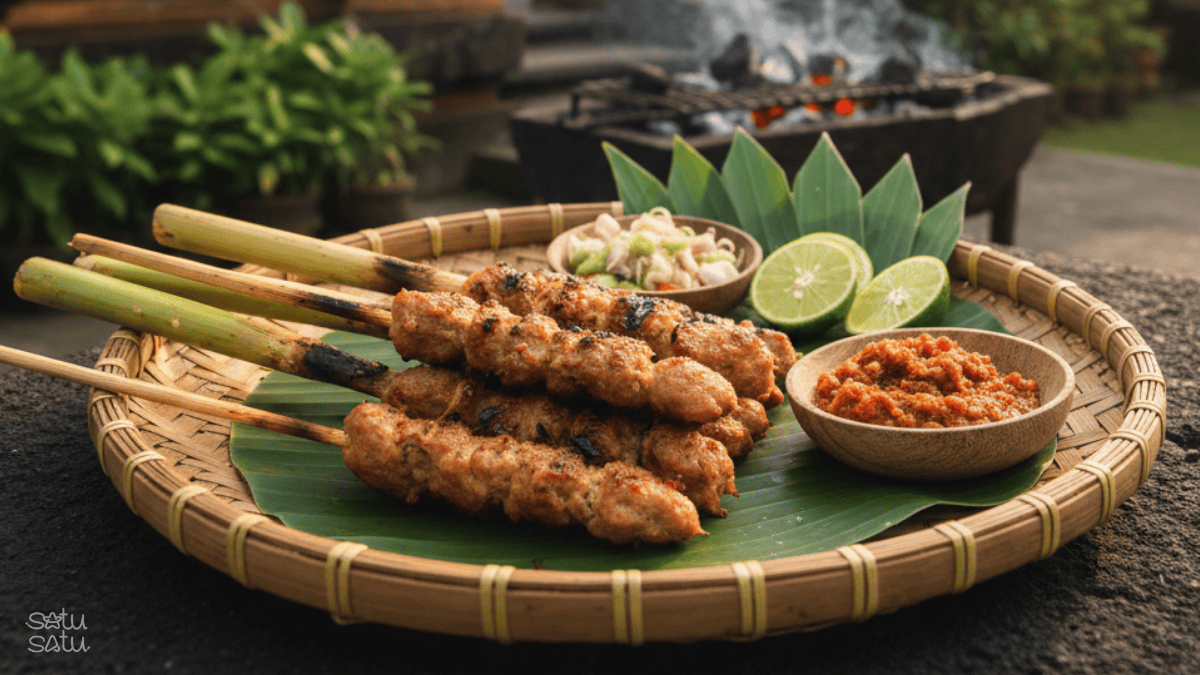
Unlike regular satay, sate lilit uses minced seafood or chicken mixed with coconut and spices. It is wrapped around bamboo sticks and grilled slowly.
Therefore, sate lilit offers a softer texture and a more fragrant flavor compared to typical skewers. It is commonly found in street markets and traditional restaurants.
Lawar
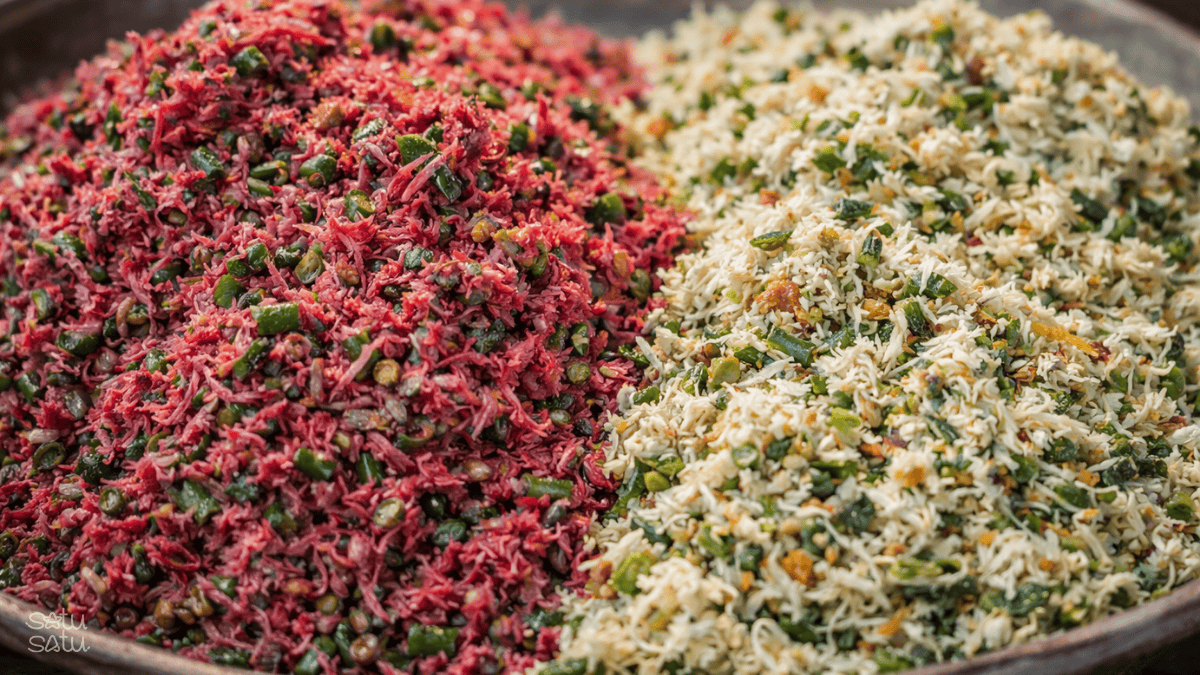
Lawar is a traditional mix of minced meat, coconut, vegetables, and spices. It is often prepared for temple ceremonies and family celebrations.
In addition, regional variations make each version slightly different. For the most authentic taste, enjoy lawar freshly prepared at a local village or market.
Ayam Betutu (Spiced Chicken)
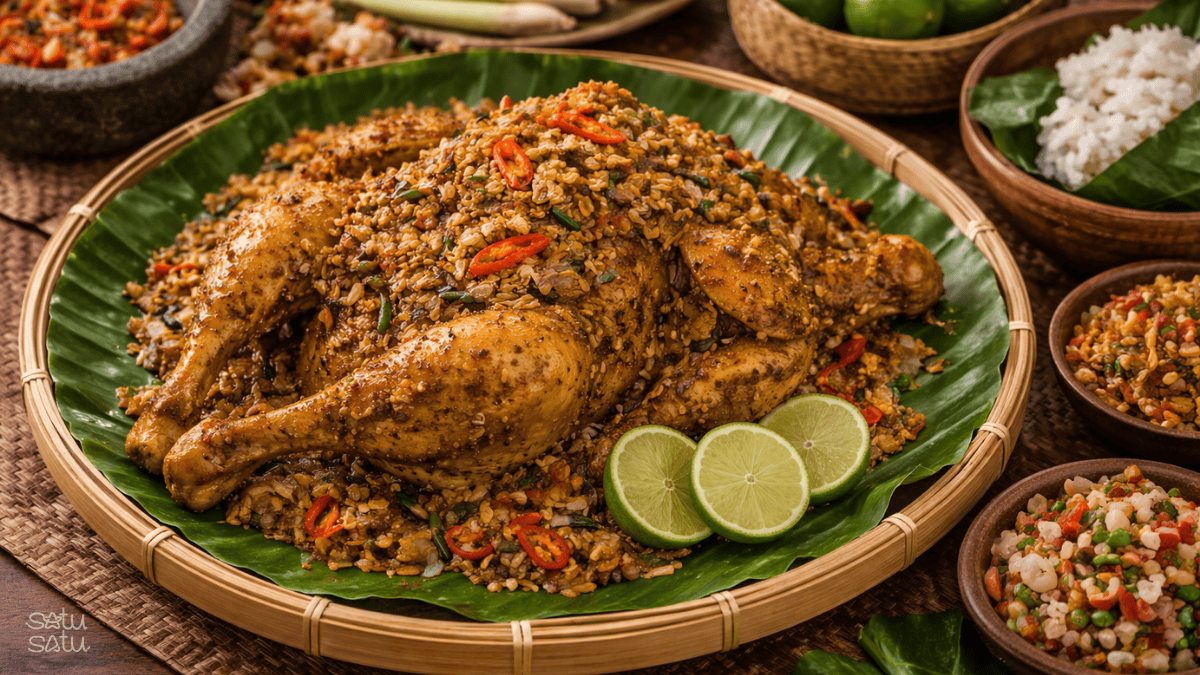
Ayam betutu is similar to bebek betutu, but uses chicken instead of duck. The meat is marinated in spices and slow-cooked until tender.
Thus, it becomes a comforting dish with deep, layered flavors that reflect Balinese cooking techniques.
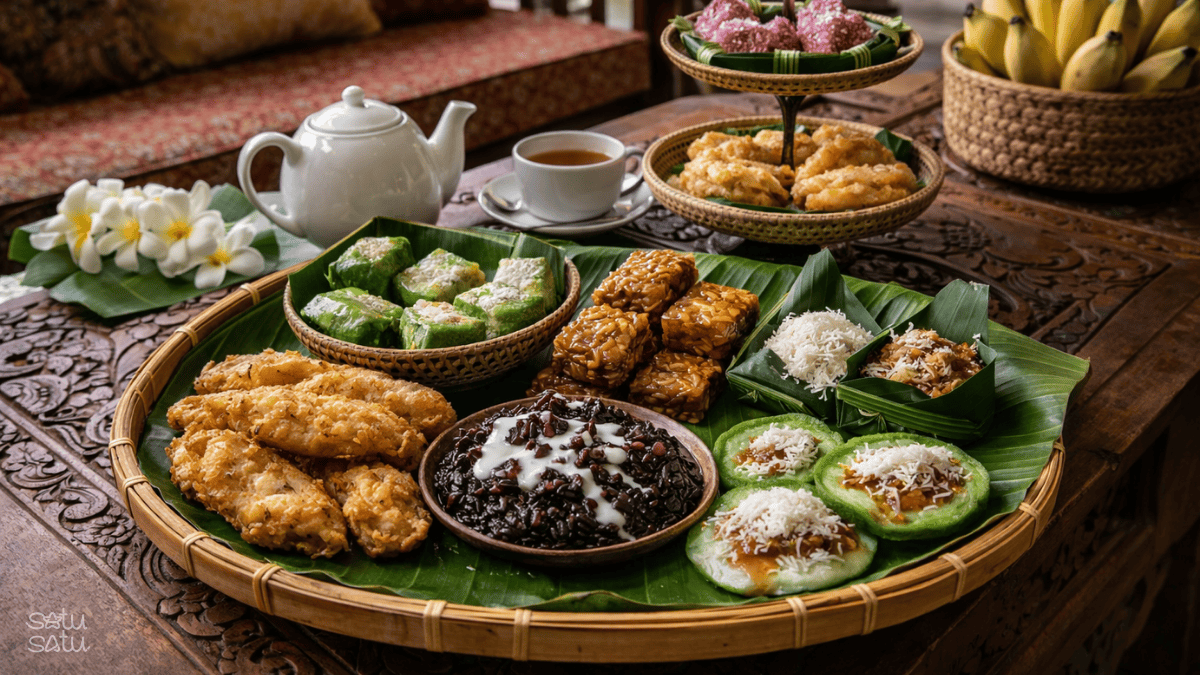
Pisang Goreng and Jaje Bali
For sweet lovers, pisang goreng (fried banana) and jaje Bali (traditional sweets) are must-try snacks. These desserts are widely available in markets and roadside stalls.
Additionally, they are perfect companions to coffee or tea during a leisurely afternoon in Bali.
Culinary Experiences Beyond Food
Balinese cuisine is not only about eating, but also about experiencing culture.
First, cooking classes in Ubud or Seminyak allow travelers to learn traditional recipes and spice techniques.
Next, night market tours reveal authentic street food and local snacks.
Finally, seafood dinners in Jimbaran offer a unique dining experience on the beach, especially at sunset.
Therefore, combining food with cultural activities creates a richer travel experience in Bali.
Travelers exploring culinary experiences in Ubud will find vibrant markets and traditional warungs offering authentic Balinese dishes.
Tips for Exploring Bali’s Food Scene
To fully enjoy Balinese cuisine, consider the following tips:
- Choose local warungs for authentic flavors.
- Try unfamiliar dishes, as Bali rewards culinary curiosity.
- Eat freshly cooked food, especially for meat dishes.
- Balance spicy dishes with refreshing drinks like coconut water or iced tea.
As a result, you can explore Bali’s food culture safely and confidently.
Discover Bali Through Its Flavors
Balinese food is more than just a meal. It is a gateway to understanding the island’s traditions, communities, and landscapes. Whether you are tasting street food in Ubud or enjoying seafood by the ocean, every bite tells a story.
If you want to explore Bali beyond sightseeing, curated culinary experiences by SatuSatu offer a seamless way to discover the island through its flavors.
Many travelers combine food exploration with hiking adventures in Bali to experience both nature and culture in one journey.