Bali is famous for beaches and temples. However, the island’s most captivating landscapes often appear far from the coast. Deep in the interior, waterfalls carve through jungles, valleys, and volcanic terrain, creating some of the most immersive natural experiences in Bali.
For many travelers, waterfalls transform a holiday into an adventure. Instead of staying in crowded tourist areas, visitors step into quieter environments where nature feels raw and expansive. Moreover, each waterfall offers a distinct atmosphere, from dramatic cascades to hidden jungle pools.
This guide explores the best waterfalls in Bali, along with practical insights that help you experience them in a more meaningful and curated way.
Why Waterfalls Are Essential to the Bali Experience
Bali’s geography shapes its waterfalls. Volcanic mountains, dense forests, and seasonal rains create ideal conditions for cascading rivers. As a result, waterfalls appear across the island, especially in the north and central regions.
Beyond scenery, waterfalls reveal Bali’s wild character. While beaches showcase Bali’s social energy, waterfalls highlight its natural rhythm. Therefore, visiting waterfalls allows travelers to experience a deeper layer of the island.
Top Waterfalls to Visit in Bali
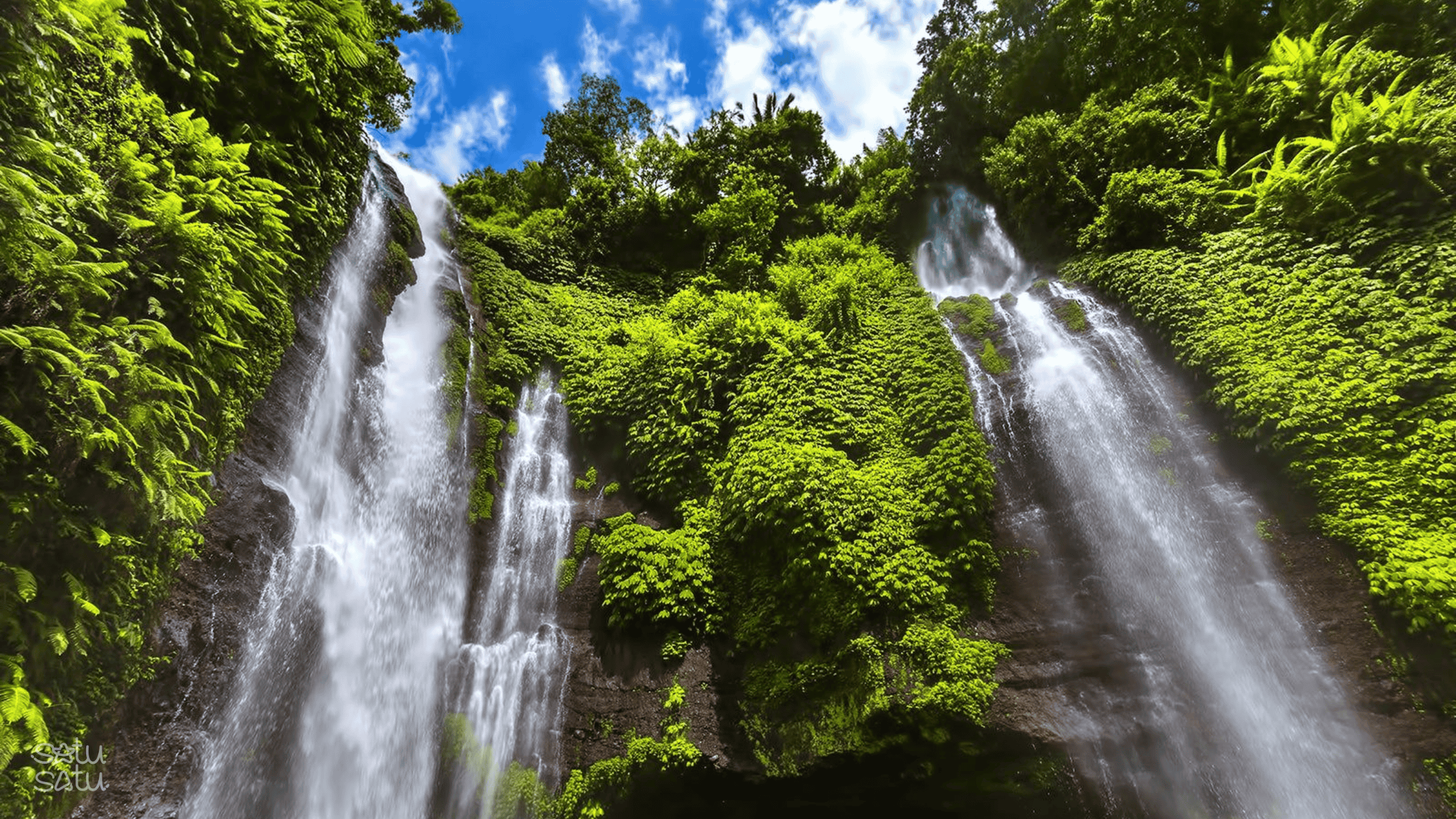
- Sekumpul Waterfall is often considered Bali’s most spectacular cascade. Located in North Bali, it features multiple powerful streams surrounded by rainforest and steep valleys. The journey involves trekking through villages and rice terraces. Consequently, the experience feels as rewarding as the destination itself.
Why it stands out: It combines dramatic scenery with an immersive trekking experience.
-
Tukad Cepung Waterfall, sits inside a cave-like canyon, where sunlight filters through openings above. Unlike open waterfalls, this location creates a surreal visual effect. Although the walk is short, visitors often need to wade through shallow water. Therefore, the experience feels both accessible and unique.
Why it stands out: It offers one of Bali’s most photogenic waterfall settings.
-
Leke-Leke Waterfall, lies in Central Bali, surrounded by dense forest. A short but steep hike leads to a tall, narrow cascade in a quiet valley. Compared to larger waterfalls, Leke-Leke feels more intimate. As a result, it appeals to travelers seeking tranquility rather than crowds.
Why it stands out: It delivers a peaceful jungle atmosphere close to Ubud.
-
Banyumala Twin Waterfall features two parallel cascades flowing into a wide natural pool. The trek is moderate, yet the reward is a spacious swimming area surrounded by greenery. Moreover, the pool remains inviting throughout most seasons. Therefore, many travelers combine swimming with relaxation here.
Why it stands out: It offers one of the best swimming spots among Bali’s waterfalls.
-
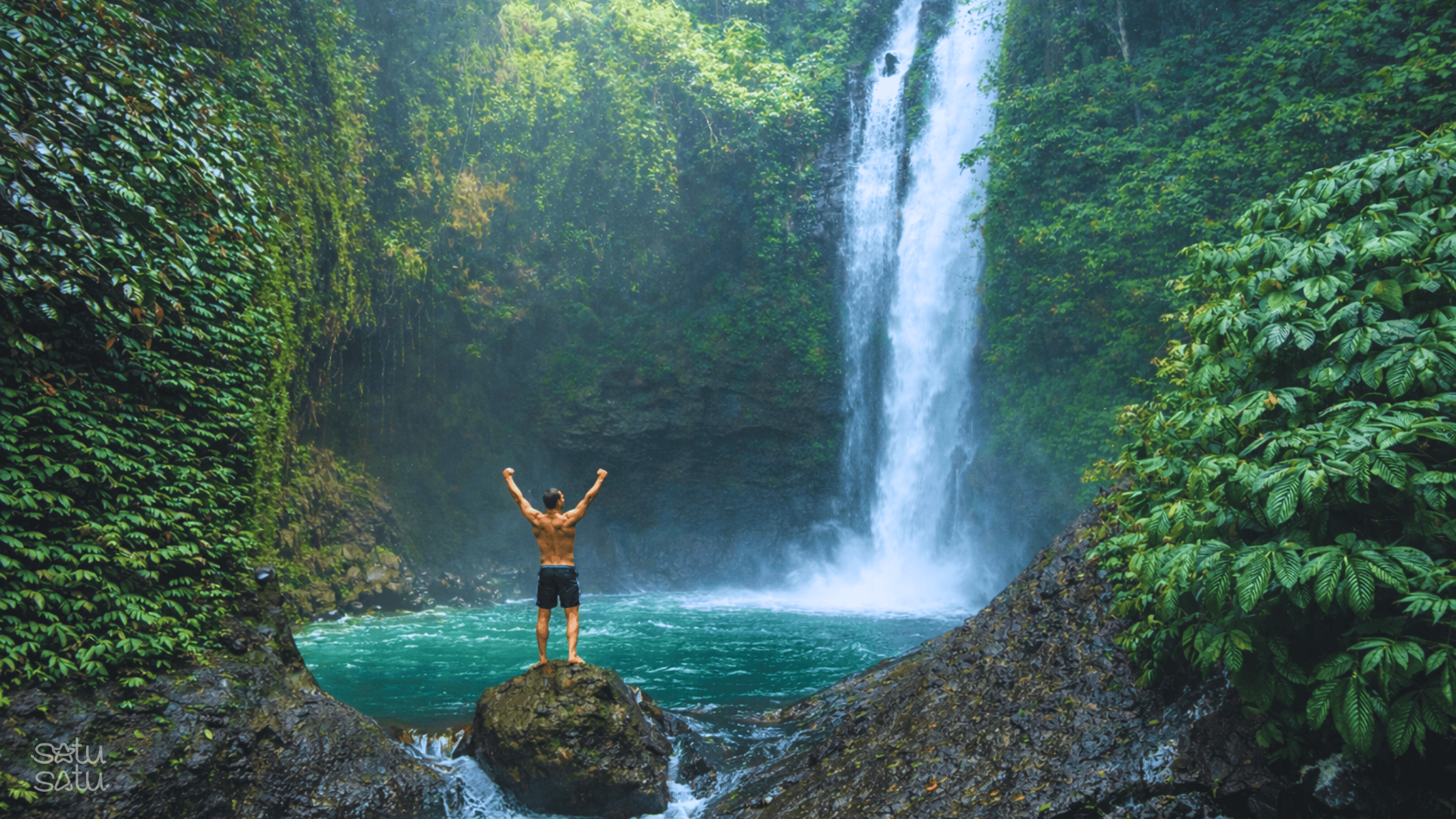
Sambangan Waterfalls (Aling-Aling Area): The Sambangan area hosts several waterfalls, including Aling-Aling, which is known for natural slides and jumping spots. Adventurous visitors often explore multiple cascades in one trip. In contrast to quieter waterfalls, Sambangan feels dynamic and playful. Consequently, it attracts thrill seekers and group travelers.
Why it stands out: It blends adventure with natural scenery in one location.
How to Experience Bali’s Waterfalls More Meaningfully
Many travelers visit waterfalls as standalone attractions. However, a more thoughtful approach often creates a richer journey.
First, consider the location and travel flow. Northern waterfalls pair well with mountain landscapes, while central waterfalls complement cultural destinations. Next, plan visits early in the morning to avoid crowds and harsh sunlight. Additionally, combining waterfalls with villages, rice terraces, or temples adds cultural depth to the trip.
Ultimately, waterfalls become more than scenic stops when travelers connect them with Bali’s broader landscape and culture.
Practical Tips for Visiting Bali Waterfalls
The best time to visit waterfalls usually falls during the dry season, when trails remain safer and access becomes easier. However, waterfalls appear more dramatic during the rainy season.
Wear proper footwear because trails can be slippery. Bring swimwear, water, and waterproof gear. Furthermore, hiring a local guide often improves safety and provides cultural insight.
Most importantly, respect the environment by minimizing waste and avoiding damage to natural areas.
Waterfalls as Curated Nature Experiences
Bali’s waterfalls represent a shift in how travelers experience nature. Instead of passive sightseeing, visitors actively explore landscapes through trekking, swimming, and discovery.
For experience seekers, curated waterfall journeys reveal hidden corners of Bali that standard itineraries often overlook. Therefore, waterfalls play a crucial role in shaping meaningful travel experiences on the island.
Discover Bali’s Waterfalls with Local Insight
Exploring waterfalls with local knowledge helps travelers move beyond popular spots and discover lesser-known cascades. From dramatic northern falls to hidden jungle streams, curated experiences unlock Bali’s natural depth.
SatuSatu curates local nature and adventure experiences that connect travelers with Bali’s landscapes and communities, creating journeys that feel immersive, intentional, and memorable.