The aroma arrives first. Notes of lemongrass drift through the air, followed by toasted coconut and the earthy warmth of freshly ground turmeric. Somewhere nearby, a mortar meets pestle in a steady rhythm. In Bali, food rarely begins at the table. Instead, it starts in gardens, markets, and family kitchens where recipes pass quietly from one generation to the next.
For travelers who want to understand the island beyond its landscapes, a Balinese cooking class offers something deeper than a meal. It invites you into the cultural heartbeat of Bali, where every spice blend tells a story and every dish reflects centuries of tradition. Rather than simply tasting local cuisine, you become part of its creation.
Why Balinese Cuisine Feels So Distinct
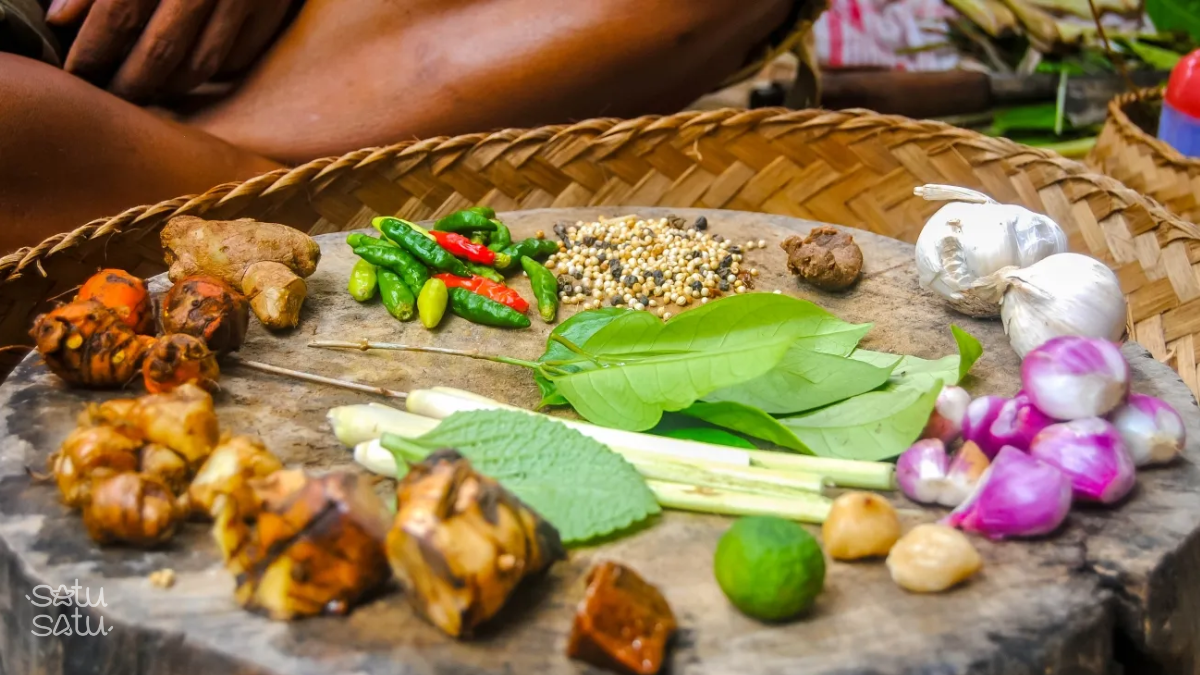
Balinese cooking celebrates balance. Sweet palm sugar offsets fiery chilies, while kaffir lime brightens slow-cooked meats. Meanwhile, aromatic spice pastes known as base genep form the foundation of many dishes, layering flavor with remarkable complexity.
However, what truly distinguishes Balinese cuisine is its spiritual connection. Food often accompanies ceremonies, festivals, and daily offerings. Consequently, cooking becomes both a practical skill and a cultural expression.
If you’re curious about where many of these ingredients originate, exploring a broader Bali Food Guide on SatuSatu Inspiration helps illuminate the island’s diverse culinary landscape.
A Culinary Experience That Begins Before Cooking
Long before the first pan warms, the experience often begins with discovery. Depending on the setting, you may walk through a garden where galangal grows thick beneath the soil or see chilies ripening under the tropical sun. As a result, ingredients feel less like commodities and more like living elements of the island.
Soon after, preparation starts the traditional way — slicing, grinding, and blending spices by hand. Although modern kitchens exist across Bali, many cooking experiences preserve these tactile techniques because they shape both texture and flavor.
Unlike passive dining, this process slows you down. You notice color, scent, and sound. More importantly, you begin to understand why Balinese food tastes the way it does.
Inside a Balinese Cooking Class
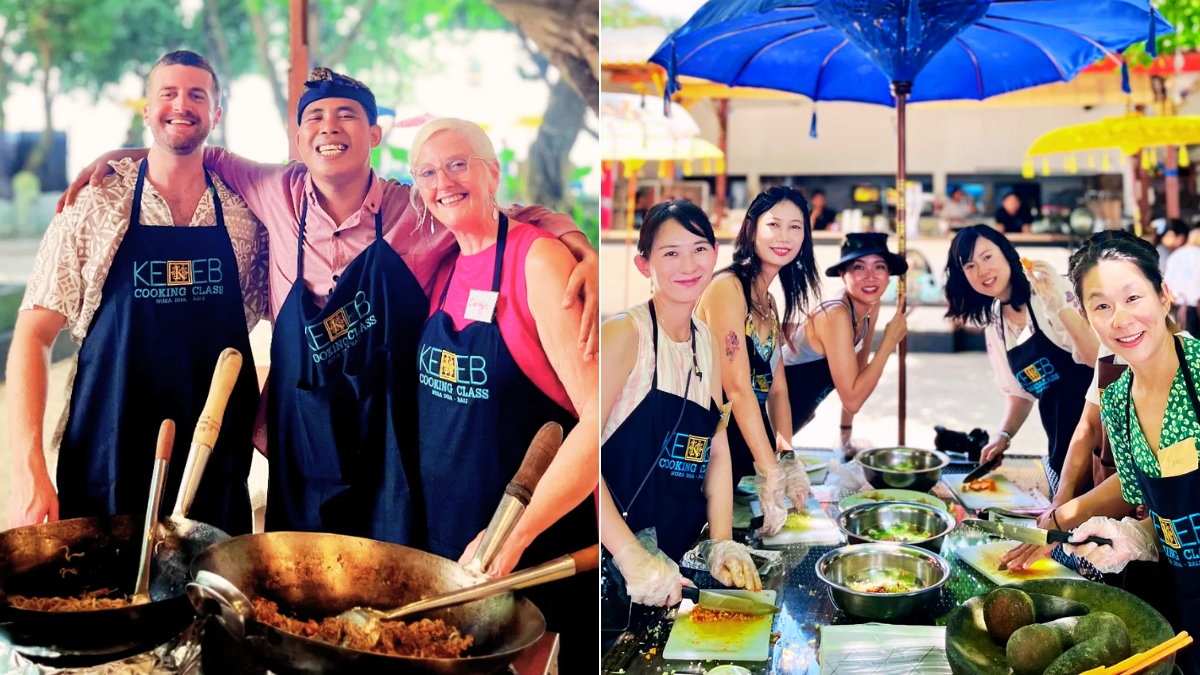
Set in the calmer enclave of Nusa Dua, the Balinese cooking experience unfolds within a relaxed environment that encourages curiosity. Here, guidance feels intuitive rather than instructional, allowing travelers to cook confidently regardless of experience.
You might begin with spice paste, the backbone of countless Indonesian recipes. Then, step by step, dishes emerge — each revealing a different cooking method.
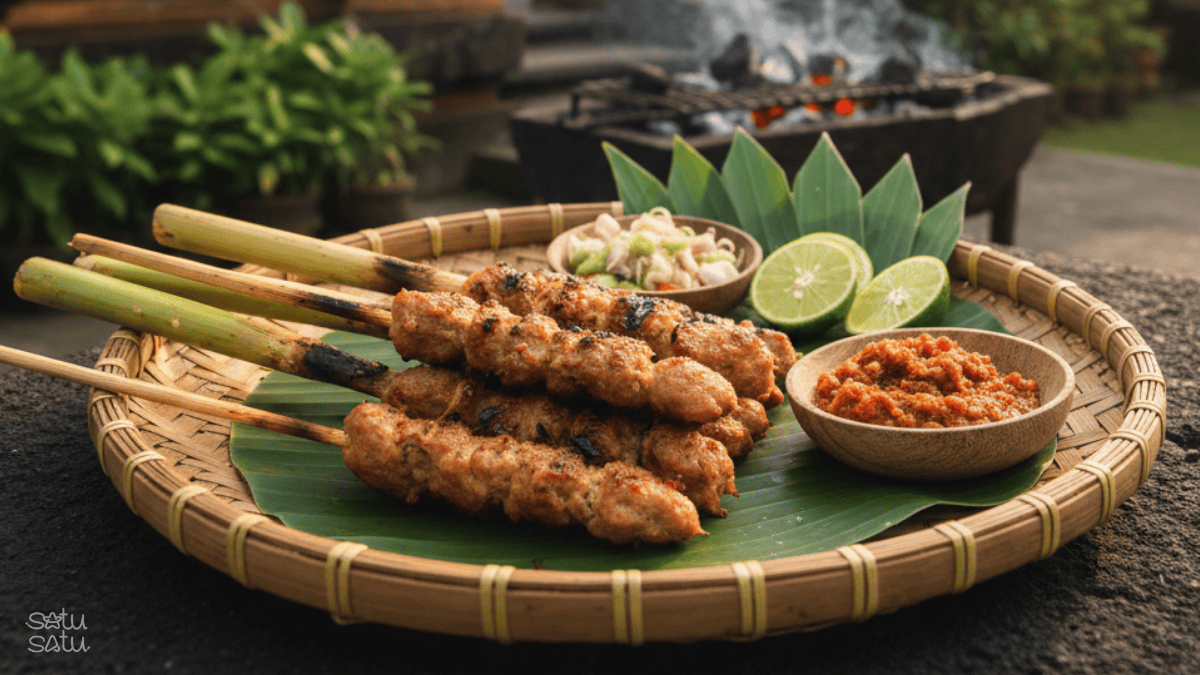
Satay lilit introduces finely minced seafood blended with coconut and spices before wrapping around lemongrass stalks. Pepes highlights banana-leaf steaming, which seals aroma into delicate proteins. Meanwhile, slow-simmered chicken develops layers of flavor that feel both comforting and complex.
Because the class moves at an unhurried pace, conversation flows naturally. Stories surface about family recipes, regional variations, and ceremonial foods. Therefore, what starts as a lesson gradually becomes a cultural exchange.
Cooking as Cultural Insight
Travel often revolves around seeing places. Yet cooking invites participation. You measure spices, adjust seasoning, and learn how balance defines the cuisine.
Additionally, many travelers discover that techniques learned here translate easily back home. Grinding fresh spices, for example, transforms even simple dishes into something memorable.
If your itinerary already includes cultural landmarks, pairing this experience with visits to some of the most famous temples in Bali deepens your understanding of how spirituality influences daily life — including food traditions.
The Atmosphere Matters More Than You Expect
While recipes anchor the experience, the setting shapes how it feels. Open-air kitchens allow breezes to pass through, while garden surroundings soften the pace of the day. Consequently, cooking becomes less about instruction and more about immersion.
Laughter often rises when travelers attempt unfamiliar techniques. Yet those moments create connection — not only with fellow participants but with the culture itself.
Afterward, sitting down to enjoy the dishes you prepared introduces a quiet sense of satisfaction. The flavors taste brighter because you understand their journey.
Pairing Culinary Discovery with Coastal Calm
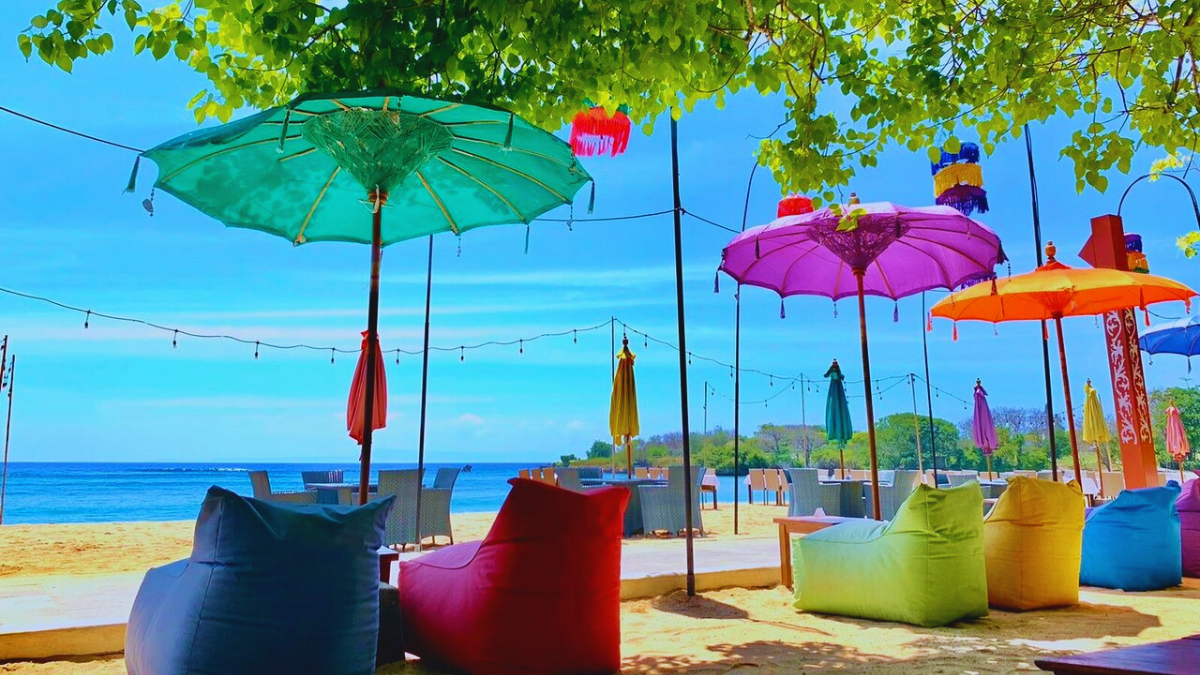
Nusa Dua’s shoreline lies just minutes away, making it easy to combine a morning cooking session with an afternoon by the sea. For travelers seeking inspiration, browsing the best beaches in Bali can help shape a perfectly balanced day that blends cultural depth with ocean air.
Meanwhile, if you prefer slower travel rhythms, this type of experience offers a refreshing contrast to fast-paced sightseeing.
Who Finds the Most Meaning Here?
Surprisingly, you don’t need culinary ambition to enjoy a cooking class. Curious travelers, couples, solo explorers, and even families often leave with the same realization: understanding a destination begins with its flavors.
Moreover, food creates memory anchors. Long after a trip ends, recreating a dish can instantly transport you back to Bali — to the scent of spices, the warmth of the kitchen, and the sense of discovery.
A Taste That Travels Home
Experiences fade, but skills remain. Because you actively participate, the knowledge follows you beyond the island. Suddenly, dinner with friends becomes an opportunity to share not just a recipe, but a story from Bali.
Ultimately, cooking reveals something many travelers overlook: culture lives in everyday rituals. By stepping into a kitchen, you glimpse the island through a more intimate lens.
Explore more thoughtfully curated experiences that bring you closer to Bali’s living culture at SatuSatu