Choosing where to stay in Bali shapes your entire journey. Although the island may appear compact, each region offers a distinct atmosphere, landscape, and travel rhythm. Therefore, selecting the right base is less about accommodation and more about designing the experience you want to have.
Many first-time visitors underestimate travel times and attempt to cover too much ground. However, traffic patterns, mountain roads, and ceremonial processions can quickly turn short distances into long transfers. Consequently, basing yourself strategically allows you to spend less time in transit and more time exploring.
Rather than asking where the “best hotels” are, a smarter question emerges: which area aligns with your travel style?
This guide breaks down Bali’s key regions so you can confidently choose a base that supports a smoother, more intentional itinerary.
Seminyak and Jimbaran: Comfort, Dining, and Easy Transitions
Distance from airport: approximately 20–40 minutes
For travelers who value convenience without sacrificing atmosphere, Seminyak and Jimbaran provide a balanced introduction to Bali. Because both areas sit within close reach of the airport, arrivals feel effortless, especially after long-haul flights.
Seminyak leans contemporary, with stylish restaurants, boutique shopping, and sunset-facing beaches. Meanwhile, Jimbaran moves at a gentler pace, known for calm waters and seafood dinners served directly on the sand.
- Why stay here:
Accessibility, strong dining scenes, and comfortable infrastructure make these areas ideal entry points. - Best for:
First-time visitors, couples, families, and shorter trips. - Travel insight:
Start your journey here to recover from travel fatigue before moving inland.

Ubud: Culture, Nature, and Central Access
Distance from airport: about 1–1.5 hours
Ubud invites travelers into Bali’s cultural landscape. As roads narrow and greenery thickens, the island’s tempo shifts noticeably.
Temples remain active, artisans sustain generational crafts, and daily offerings quietly shape the environment. Additionally, Ubud’s central location allows relatively easy access to waterfalls, rice terraces, and adventure activities.
- Why stay here:
Few regions balance culture and nature as seamlessly. - Best for:
Experience seekers, solo travelers, couples, and wellness-focused visitors. - Travel insight:
Plan at least three nights. Many of the most meaningful things to do in Bali sit within reach of Ubud.
Travelers interested in deeper exploration often use the area as a gateway to curated local experiences in Bali.

Canggu: Social Energy and Creative Culture
Distance from airport: roughly 45–60 minutes
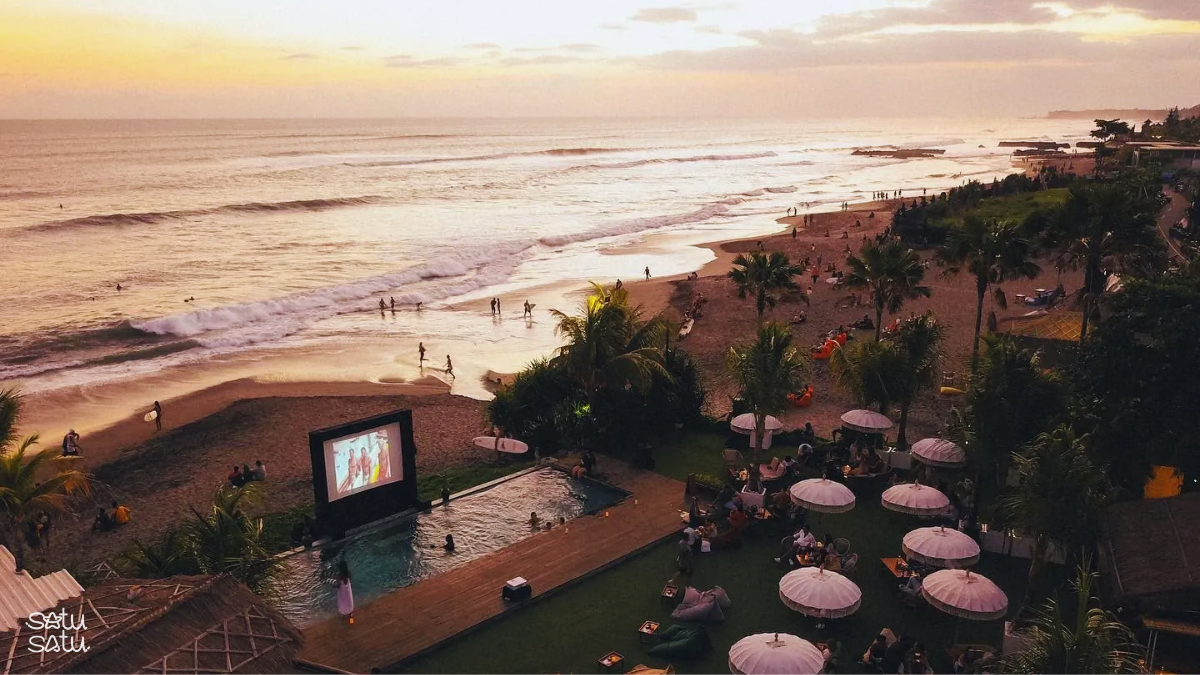
Canggu has evolved into one of Bali’s most dynamic coastal communities. Cafés double as creative hubs, surf breaks attract a global crowd, and evenings blend into a relaxed nightlife scene.
Despite its popularity, pockets of rice fields still soften the urban edges.
- Why stay here:
The area offers a social yet relatively relaxed atmosphere compared to denser resort zones. - Best for:
Digital nomads, surfers, friend groups, and longer-stay travelers. - Travel insight:
Traffic can build tricky and challenging. Choose accommodations near the experiences you plan to prioritize.
Uluwatu: Clifftop Views and Ocean Drama
Distance from airport: about 45–75 minutes
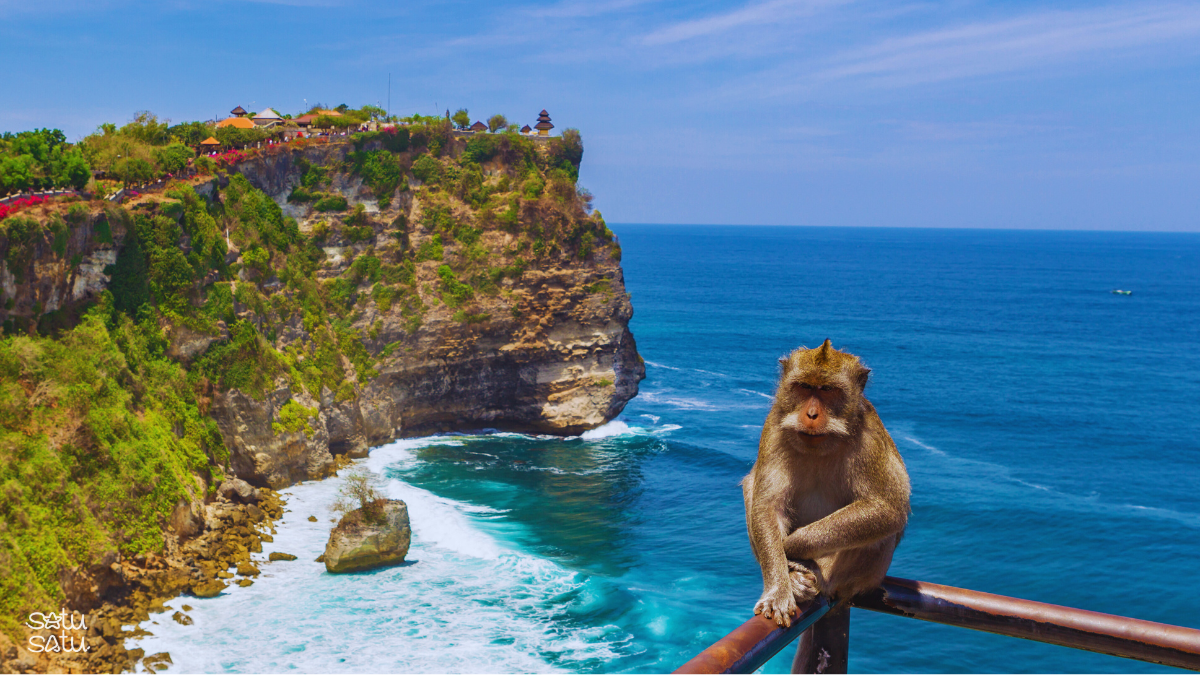
Perched along Bali’s southern peninsula, Uluwatu delivers some of the island’s most striking coastal scenery. Limestone cliffs drop toward powerful surf, while beach access often requires descending hidden stairways.
The region feels spacious, and development remains more spread out than in central south Bali.
- Why stay here:
Landscape takes visual priority, creating a strong sense of escape. - Best for:
Surfers, couples, photographers, and travelers seeking a quieter coastal base. - Travel insight:
Transportation planning matters here, as distances between beaches can be significant.
East Bali (Sidemen and Amed): Scenic Stillness and Slow Travel
Distance from airport: approximately 2–3 hours
East Bali rewards travelers who move beyond the island’s busiest corridors. Sidemen unfolds with terraced valleys and agricultural life, while Amed pairs mountain views with calm coastal waters.
The atmosphere feels noticeably unhurried.
- Why stay here:
The region supports deeper connection with landscape and tradition. - Best for:
Return visitors, photographers, divers, and slow travelers. - Travel insight:
Transition here after Ubud to maintain a logical travel route.
North Bali (Munduk): Highlands, Waterfalls, and Cooler Air
Distance from airport: approximately 2.5–3 hours
For travelers seeking mountain scenery and a noticeable drop in temperature, Munduk has quietly emerged as the natural base for exploring North Bali. Set within the highlands, the area overlooks layered valleys, forested ridges, and distant lakes.
Unlike coastal hubs, Munduk encourages slower movement. Morning fog drifts across the hills, trekking paths connect waterfalls, and panoramic viewpoints appear around unexpected bends in the road. Consequently, the journey feels immersive rather than scheduled.
- Why stay here:
Munduk provides direct access to some of Bali’s most dramatic landscapes while maintaining a calm, uncrowded atmosphere. - Best for:
Nature lovers, hikers, couples, photographers, and travelers ready to step beyond Bali’s busiest corridors. - Travel insight:
Plan at least two nights. Arriving late and leaving early limits the region’s impact, whereas a slower pace allows the landscape to fully unfold.
West Bali (Menjangan Island & Pemuteran): Marine Beauty and Quiet Coastal Living
Distance from airport: approximately 3–4 hours
Menjangan Island and the coastal village of Pemuteran offer one of Bali’s most compelling alternatives to high-traffic destinations. Because development remains intentionally restrained, the region feels open, restorative, and closely tied to its natural environment.
Menjangan is widely respected for calm waters and exceptional visibility, making it a standout location for both diving and snorkeling. Just across the shore, Pemuteran supports a growing reputation for sustainability, largely driven by reef restoration initiatives that protect marine biodiversity.
- Why stay here:
The area combines underwater richness with a slower coastal rhythm rarely found elsewhere on the island. - Best for:
Divers, ocean lovers, eco-conscious travelers, and anyone seeking distance from dense tourism zones. - Travel insight:
West Bali pairs naturally with Munduk. Moving from the highlands to the coast creates a route that feels intentional rather than fragmented.
The Offshore Islands (Nusa Penida): Adventure with an Overnight Perspective
Travel time: 30–45 minutes to harbor plus boat transfer
Islands such as Nusa Penida introduce dramatic cliffs, bright turquoise water, and strong ocean energy. Although day trips remain popular, staying overnight reveals a quieter side once boats depart.
- Why stay here:
You gain early access to viewpoints and calmer conditions. - Best for:
Adventure seekers, photographers, and ocean enthusiasts. - Travel insight:
An overnight stay transforms the experience from rushed to immersive.
How to Choose the Right Base
Instead of moving hotels frequently, many travelers benefit from selecting two or three strategic bases.
For example: South Bali → Ubud → East or North
This structure reduces transit fatigue while allowing each region to unfold naturally.
Most importantly, match your base to the experiences you value most.
A Smarter Way to Experience Bali
Where you stay ultimately shapes how Bali reveals itself. Some regions energize, others ground, and a few invite complete disconnection.
By aligning your base with your travel style, you create space for spontaneity while avoiding unnecessary friction.
Travelers ready to design a more intentional itinerary can explore curated experiences in Bali that connect culture, nature, and adventure across the island.