Jimbaran Seafood Bali – When travelers envision the perfect evening in Bali, one image almost always comes to mind: a table set on the soft white sand, a cold drink in hand, and a platter of smoky, grilled-to-order fish as the sun dips below the Indian Ocean horizon. This is the Jimbaran seafood or seafood Jimbaran experience—a culinary rite of passage that combines the island’s freshest catch with its most breathtaking sunsets.
Whether you are a first-time visitor or a seasoned Bali regular, navigating the smoky bays of Jimbaran and Kedonganan requires a bit of local “know-how.” This guide covers everything from the best time to arrive to the technicalities of “seafood by weight” pricing, ensuring your evening is as seamless as it is delicious.
Why Jimbaran Seafood is a Bali Must-Do
Jimbaran was once a quiet fishing village, and while it has grown into a world-class destination, it has never lost its connection to the sea. The “Jimbaran style” of preparation is unique. Unlike the steamed or fried preparations common in other parts of Asia, seafood here is typically grilled over coconut husk charcoal.
The burning husks provide a high, consistent heat and a signature sweet-smoky aroma that infuses the meat without overpowering the natural sweetness of the snapper, prawns, or lobster.
The Three Main Dining Zones: Jimbaran Bay Seafood
The bay is generally divided into three main clusters of restaurants, each offering a slightly different vibe:
-
Kedonganan (North): Located near the famous fish market. This area tends to be the busiest and offers a more “local” feel with competitive pricing.
-
Muaya (Middle): The most popular and upscale stretch, often featuring live traditional Balinese dance performances and slightly more polished service.
-
Jimbaran (South): A quieter end of the beach, perfect for those looking to escape the largest crowds while still enjoying the same quality of food.
Navigating the Jimbaran Seafood Menu: What to Order?
When you sit down at a Jimbaran seafood cafe, you aren’t just ordering off a list; you are participating in a selection process. Most restaurants feature a “live display” or a chilled counter where you can pick your exact fish.
1. The “Must-Try” Staples
-
Ikan Bakar (Grilled Fish): Usually Red Snapper (Kakap Merah) or White Snapper. The fish is butterflied, marinated in a spice paste (bumbu), and grilled to perfection.
-
Udang Bakar (Grilled Prawns): Often served with a garlic butter glaze.
-
Cumi Sate (Squid Satay): Tender pieces of squid on skewers, grilled until just charred.
-
Kerang Bakar (Grilled Clams): Usually served in a spicy tomato-based sauce.
2. The Accompaniments
In Jimbaran, the seafood is the star, but the supporting cast is equally important. A standard set menu usually includes:
-
Plecing Kangkung: Stir-fried water spinach with a spicy tomato and shrimp paste sambal.
-
Nasi Putih: Steamed white rice to balance the heat.
-
Sambal Trio: You will almost always receive Sambal Matah (raw lemongrass and shallot), Sambal Terasi (shrimp paste), and a sweet soy dip.
Timing Your Visit for the Perfect Sunset: Seafood in Jimbaran
Timing is everything. If you arrive too late, you’ll miss the show; if you arrive too early, the heat can be intense.
-
4:30 PM – 5:00 PM: The ideal arrival time. This allows you to pick a front-row table (closest to the water) and choose your seafood before the “dinner rush” begins at the display counters.
-
5:30 PM – 6:15 PM: Golden Hour. This is when the sky transforms. Keep your camera ready as the colors shift from amber to deep purple.
-
7:00 PM onwards: The atmosphere changes as the beachfront lanterns are lit, and local musicians often wander between tables to serenade diners.
The “Market Experience” at Kedonganan
For those who want an even more authentic (and budget-friendly) experience, head to the Kedonganan Fish Market earlier in the day or around 4:00 PM.
Here, you can buy your seafood directly from the fishermen who have just come off their boats. Once you’ve made your purchase, look for the small warungs (local cafes) just outside the market. For a small fee (usually around IDR 20,000 – 30,000 per kilo), they will grill your seafood for you and provide rice, sambal, and seating. It’s gritty, it’s loud, and it’s one of the most rewarding food experiences in Bali.
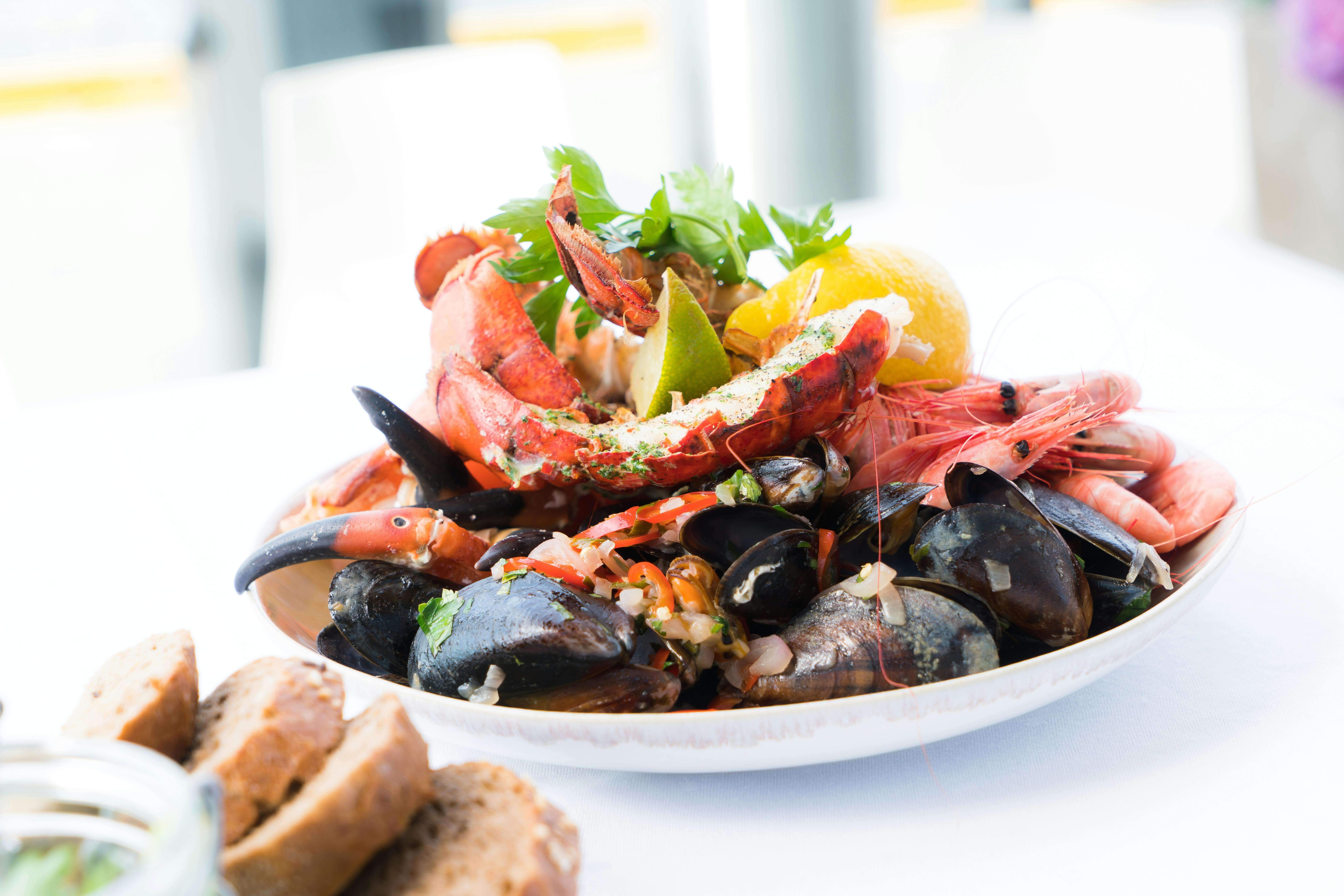
Practical Tips for Your Jimbaran Seafood Dinner
To ensure your night goes off without a hitch, keep these practicalities in mind:
| Tip | Details |
| Footwear | Wear flip-flops. You will be walking and sitting on sand. |
| Pricing | Always confirm if the price is “per 100g” or “per kg” before agreeing to the weight. |
| Taxes | Check if the menu prices include the 10% Government Tax and 5-11% Service Charge. |
| Transport | Traffic into Jimbaran can be heavy around 5:00 PM. Leave your hotel earlier than you think you need to. |
| Cash | While large restaurants take cards, smaller warungs and the fish market are strictly cash-only. |
Make the Most of Your Bali Adventure with SatuSatu!
Jimbaran is centrally located, making it a perfect final stop after a day of exploring the Bukit Peninsula or the cultural heart of the island. If you are looking to round out your itinerary with other unique experiences—from temple tours in Uluwatu to hidden waterfall treks—we recommend you book fun activities via SatuSatu. Their platform offers curated local experiences that help you discover the “real” Bali with ease and security!