Bali, often celebrated for its terraced rice fields and vibrant spiritual culture, holds an equally mesmerizing world beneath its turquoise waves. For anyone seeking the perfect aquatic adventure, snorkeling Bali offers a kaleidoscope of marine life, from the gentle glide of Manta Rays to the haunting beauty of World War II shipwrecks.
In this comprehensive guide, we’ll take you through everything you need to know about the best underwater sites on the island. Whether you are a beginner looking for calm lagoons or a seasoned pro chasing deep-sea walls, Bali’s coastline has something for everyone. To ensure an authentic and seamless experience, don’t forget that you can book snorkeling via SatuSatu, the island’s premier app for locally-curated travel activities.
Why Snorkeling Bali is a Must-Do in 2026
Bali’s position within the “Coral Triangle”—the global center of marine biodiversity—means it hosts more species of fish and coral than almost anywhere else on Earth. In 2026, conservation efforts like the Biorock projects in Pemuteran and the protected status of the West Bali National Park have made the reefs healthier and more vibrant than ever.
When you go snorkeling Bali, you aren’t just swimming; you are entering a living museum of natural history. From the volcanic black sands of the east to the limestone cliffs of the south, the diversity of the terrain is reflected in the water.
Top 10 Spots for Snorkeling Bali
To help you plan your itinerary, here are the top 10 locations that define the Balinese snorkeling experience.
1. Menjangan Island (West Bali National Park)
Considered by many as the “Holy Grail” of snorkeling Bali, Menjangan Island is part of a protected marine reserve. Because it is uninhabited and far from the busy southern hubs, the coral walls here are pristine. You can expect visibility up to 40 meters, revealing gargantuan sea fans and schools of tropical fish.
2. Manta Point (Nusa Penida)
If you want a “bucket list” moment, this is it. Manta Point is a cleaning station where giant Reef Manta Rays gather to have parasites removed by smaller fish. Swimming alongside these 4-meter-wide gentle giants is a humbling experience you won’t soon forget. Book Nusa Penida snorkeling now!
3. USAT Liberty Wreck (Tulamben)
Unique in the world of snorkeling, this 120-meter-long American cargo ship was torpedoed in 1942. Today, it sits just 3 meters below the surface at its shallowest point. It is completely encrusted in soft corals and is home to a massive school of resident Jackfish.
4. Blue Lagoon (Padang Bai)
Ideal for families and beginners, the Blue Lagoon offers calm, crystal-clear waters and a white sandy bottom. It’s one of the best places to spot “macro” life like colorful nudibranchs, cuttlefish, and the occasional reef shark.
5. Amed (Jemeluk Bay)
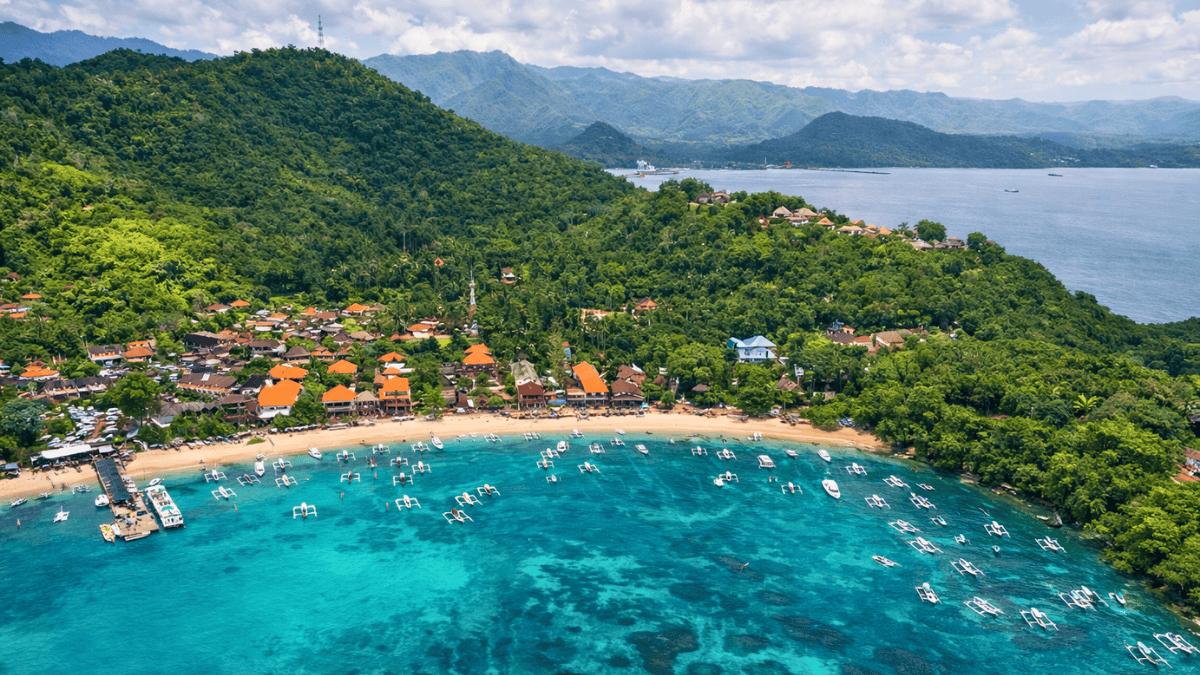
Famous for its black volcanic sand, Amed offers “shore snorkeling,” meaning you can simply walk into the water and be on a reef within seconds. Don’t miss the underwater post office where you can actually send a waterproof postcard!
6. Crystal Bay (Nusa Penida)
Named for its legendary water clarity, Crystal Bay is a beautiful cove protected from the open ocean’s swells. It’s a fantastic spot for seeing vibrant coral gardens and, if you’re lucky during the dry season, the elusive Mola Mola (Ocean Sunfish).
7. Mangrove Point (Nusa Lembongan)
This is a “drift snorkel” experience. The current gently carries you over a vast, healthy coral garden at the edge of the island’s mangrove forest. You don’t even have to swim; just float and let the ocean do the work.
8. Pemuteran (Biorock Reefs)
Pemuteran is home to the world’s largest artificial reef project. Using low-voltage electricity to stimulate coral growth, the Biorock structures have created a thriving habitat for clownfish (Nemo) and sea turtles in what was once a barren area.
9. Lovina Beach
While mostly famous for sunrise dolphin tours, Lovina offers peaceful snorkeling in the morning. The water is lake-still, making it perfect for children or those who are nervous about currents.
10. Tanjung Benoa
Located near Nusa Dua, this is the hub for water sports. While it’s busier than the remote north, it’s the most accessible spot for those staying in South Bali who want a quick snorkeling fix combined with other activities like the “Sea Walker.“
Experience the Local Way: Book Snorkeling via SatuSatu
Planning a trip to a foreign country can be overwhelming, especially when trying to avoid “tourist traps.” This is why savvy travelers in 2026 choose to book snorkeling via SatuSatu.
What is SatuSatu?
SatuSatu is a curated platform that focuses on authentic, locally-led experiences. Instead of generic “big bus” tours, SatuSatu connects you with the people who know the water best: the local fishermen and village guides.
Benefits of Booking via SatuSatu:
-
Instant Confirmation: No more waiting for emails; your spot is secured in seconds.
-
Locally Curated: Every snorkeling trip is handpicked by a local team to ensure safety and quality.
-
Welcome Gifts: Many experiences booked through the app include a small, traditional Balinese welcoming gift.
-
Support the Community: By booking through this platform, more of your money stays within the local Balinese community rather than going to international conglomerates.
Whether you want a private boat to the Gili Islands or a guided trek to the hidden reefs of Amed, you can book snorkeling via SatuSatu with total confidence.
Best Time for Snorkeling Bali
While Bali is a year-round destination, the quality of your snorkeling depends heavily on the seasons:
-
Dry Season (April to October): This is the peak time for snorkeling Bali. The southeast trade winds bring clear skies and the best underwater visibility.
-
Wet Season (November to March): You can still snorkel, but heavy rain can sometimes wash silt into the ocean, reducing visibility—especially on the north and east coasts.
Essential Tips for an Eco-Friendly Adventure
As a guest in Bali’s fragile ecosystem, it is vital to practice “Low-Impact” travel:
-
Use Reef-Safe Sunscreen: Traditional sunscreens contain oxybenzone, which bleaches coral. Look for mineral-based (zinc) alternatives.
-
Look, Don’t Touch: Touching coral can kill it instantly. Similarly, never chase or try to ride the Manta Rays or turtles.
-
Mind Your Fins: Be careful not to kick the reef when swimming in shallow areas.
-
No Plastic: Many local operators found when you book snorkeling via SatuSatu are committed to plastic-free tours. Bring your own reusable water bottle.
Snorkeling Gear: Rent or Buy?
Most tours you find when you book snorkeling via SatuSatu include high-quality mask, snorkel, and fins. However, if you are a frequent snorkeler, bringing your own mask ensures a perfect, leak-free fit. In 2026, “full-face” masks are popular, but traditional two-piece sets are still recommended for those who want to dive down deeper.
Conclusion
Snorkeling Bali is an experience that stays with you long after the tan lines fade. From the historical depths of the USAT Liberty to the majestic dance of the Manta Rays in Nusa Penida, the island offers a spiritual connection to the ocean that is hard to find anywhere else.
Ready to dive in? Skip the hassle and the haggling—simply book snorkeling via SatuSatu to guarantee an authentic, safe, and unforgettable day in the water.