Bali surprises a lot of first-time visitors in many ways the traffic, the ceremonies, the sheer density of temples around every corner. But one thing that catches people off guard more quietly is the language situation. Walk into a restaurant in Seminyak and you’ll be greeted in English.
Head into a village in Gianyar and you might hear something that sounds nothing like anything you’ve encountered before. Ask a local in Ubud a question and they might switch between three languages mid-conversation without missing a beat.
It’s a genuinely layered linguistic landscape, and understanding it a little before you arrive makes the whole experience richer. If you’re in the planning stage of your Bali trip, SatuSatu.com is the place to sort your transfers, tours, and activities locally curated, instantly bookable, and run by people who know the island well.
Bali doesn’t have just one language. In practice, most Balinese people move fluidly between at least two languages daily Balinese and Indonesian and in tourist areas, English functions as a reliable third option.
Each of these languages serves a different social and cultural purpose, and knowing a little about all three helps you understand what you’re hearing and why.
Bahasa Indonesia: The One You’ll Use Most as a Visitor
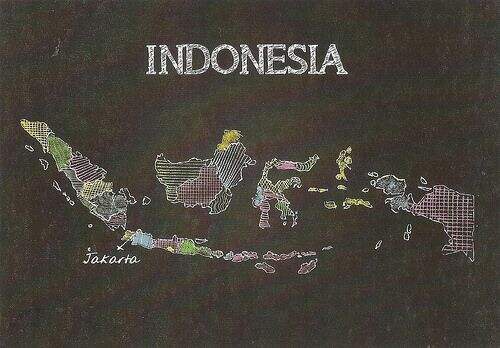
If you’re going to learn one language before visiting Bali, make it Bahasa Indonesia the national language of Indonesia and the most widely understood language across the entire archipelago.
It’s the language used in schools, government, media, and business throughout the country, including Bali. For travellers, Bahasa Indonesia is also one of the more approachable languages to pick up basic phrases in.
The pronunciation is largely phonetic, the grammar doesn’t involve tenses in the way European languages do, and even a small effort to use it is met with genuine warmth by locals.
A few phrases go a long way: “terima kasih” (thank you), “berapa harganya?” (how much is it?), “tolong” (please), and “permisi” (excuse me) will serve you in almost any situation.
In everyday interactions across Bali at markets, warung, shops, transport hubs, and non-luxury hotels Bahasa Indonesia is the practical working language.
Staff at mid-range and budget accommodation will almost certainly speak it fluently even if their English is limited, so having even a handful of phrases gives you a meaningful backup when English doesn’t land.
Bahasa Bali: The Soul of the Island’s Culture
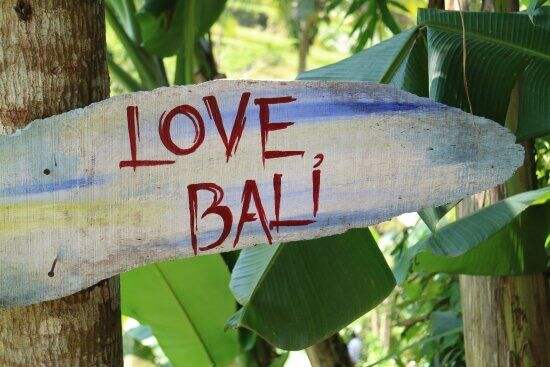
Bahasa Bali or the Balinese language is something else entirely. It’s a distinct language from Indonesian, not a dialect, and it carries the full weight of Balinese Hindu culture within it.
If you spend any time in villages, at ceremonies, or in more traditional community settings, you’ll hear it constantly in conversation between locals, in the chants that accompany temple rituals, and in the way elders address younger community members.
What makes Balinese particularly fascinating is its built-in social register system. The language has multiple levels of formality broadly categorised as low Balinese, middle Balinese, and high Balinese and which register you use depends entirely on the social relationship between the people speaking.
Addressing someone older or of higher caste requires a different vocabulary than speaking to a peer or someone younger. It’s a linguistic system that reflects the deeply hierarchical structure of traditional Balinese society, and it’s one of the reasons the language is genuinely complex to learn at any depth.
For visitors, learning conversational Balinese isn’t a realistic goal for a short trip. But knowing a few words “suksma” (thank you in Balinese), “kenken kabare?” (how are you?) will earn you a level of appreciation and warmth from locals that goes beyond what Indonesian phrases alone will get you.
It signals genuine curiosity and respect for the culture, which Balinese people notice and appreciate.
Balinese is also under some pressure as a living language. Younger generations in urban areas increasingly default to Indonesian in daily life, and the full register system is maintained most strongly in traditional village and ceremonial contexts.
Travelling into those environments attending a village ceremony, visiting a traditional artisan, exploring areas outside the main tourist corridor gives you a much clearer sense of how the language actually lives and functions.
English: Your Reliable Companion in Tourist Areas
In the main tourist zones of Bali Seminyak, Canggu, Ubud, Kuta, Nusa Dua, and the Gili islands English is spoken widely enough that you can navigate almost every situation without Indonesian or Balinese.
Restaurant menus, hotel staff, tour operators, surf schools, spa receptionists, and most retail workers in these areas will speak English at a functional to fluent level.
This is the result of decades of international tourism shaping the local economy. English has become a practical necessity for anyone working in the hospitality sector, and in Bali’s more developed tourist areas, that includes a significant portion of the working population.
Signs, menus, and printed materials in tourist businesses are almost universally available in English.
The further you move from the main tourist corridors, the more English recedes. In village markets, rural warungs, smaller towns, and sites that attract primarily domestic Indonesian tourists, English may be limited or absent entirely.
This is where a few phrases of Indonesian become genuinely useful rather than just a polite gesture.
A Handful of Other Languages You Might Hear
Bali’s position as an international tourism destination means you’ll hear a wide range of languages spoken by visitors Australian English, Mandarin, Japanese, French, German, and Dutch are all common depending on the time of year and the area.
The Dutch influence in particular has a historical dimension Indonesia was a Dutch colony for several centuries, and some older Indonesians in certain regions retain traces of Dutch vocabulary, though this is increasingly rare and largely irrelevant to the modern visitor experience.
What’s more relevant is the presence of Javanese speakers many workers in Bali’s hospitality and construction sectors come from Java, Indonesia’s most populous island, and Javanese is a distinct language from both Indonesian and Balinese.
You may hear it in background conversations among staff in hotels and restaurants, though interactions with guests will default to Indonesian or English.
Why This Matters for Your Trip
Understanding Bali’s language landscape changes how you interact with the island. It explains why the same person might speak to a tourist in English, to a colleague in Indonesian, and to a family member at home in Balinese.
It gives context to the ceremonial chanting you hear at temples, the signs written in Balinese script at sacred sites, and the way a warung owner might light up when you attempt even a single word in their native tongue.
It also makes you a more considerate traveller. Bali absorbs an enormous volume of international visitors each year, and the communities that host that tourism have their own rich linguistic and cultural life that exists entirely independently of the tourism industry.
Meeting that with curiosity rather than just convenience learning a few phrases, asking questions, paying attention to what you’re hearing is one of the small things that makes a trip to Bali feel genuinely meaningful rather than just comfortable.
A Few Phrases Worth Knowing Before You Arrive
You don’t need to study before your trip, but having these ready will serve you well across different situations:
In Bahasa Indonesia: “terima kasih” (thank you), “sama-sama” (you’re welcome), “tolong” (please), “berapa harganya?” (how much?), “di mana?” (where is?), “enak sekali” (this is delicious).
In Bahasa Bali: “suksma” (thank you), “matur suksma” (thank you very much), “kenken kabare?” (how are you?), “becik-becik” (I’m fine).
The Indonesian phrases will be understood everywhere. The Balinese phrases will get you genuine smiles in traditional settings, and that alone makes them worth memorising.
Explore Bali Further with SatuSatu
Understanding the language is one layer of getting to know Bali properly experiencing it through locally guided activities is another.
SatuSatu is a locally curated travel platform where you can book authentic Bali experiences directly through SatuSatu.com with instant confirmation, dedicated local support, and no middlemen involved.
The SatuSatu Airport Transfer is the smoothest way to start your trip fixed pricing, same-day booking available, and a comfortable ride from Ngurah Rai Airport to wherever you’re staying without any negotiation at the terminal.
The SatuSatu Exclusive Car Charter gives you a dedicated local driver and fully flexible timing for exploring the island at your own pace whether that’s chasing ceremonies in Gianyar, visiting traditional villages in Ubud, or covering multiple areas in a single day.
All bookings are made directly on SatuSatu.com and support local payment methods including BCA, Mandiri, OVO, DANA, credit cards, and more.