The Bali You Don’t See on Instagram
When people imagine Bali, they often picture crowded beach clubs, rice terraces packed with photographers, or sunsets framed by infinity pools. Yet the island reveals a different personality once you leave the familiar routes behind. This is the side of Bali where mornings feel slower, roads wind through mountain mist, and villages still move to their own rhythm.
For Gen Z travelers especially, the appeal of Bali hidden gems lies in something deeper than scenery. Many seek meaningful travel experiences that feel authentic, calming, and slightly undiscovered. Instead of ticking boxes, they want stories. Therefore, exploring Bali’s lesser-known regions becomes less about escape and more about connection.
This journey follows a route that makes sense geographically and emotionally, moving from Bali’s cool highlands to quiet northern shores and finally toward the rugged eastern coast.
Munduk: The Highlands Where Bali Breathes Differently
The road climbs steadily as you leave central Bali behind. Suddenly, the air cools. Coffee plantations appear beside clove trees, and morning fog drifts across mountain valleys. Welcome to Munduk, a highland village known for waterfalls, forest trails, and a slower pace of life.
Unlike southern Bali, Munduk feels almost cinematic. Trails connect multiple waterfalls, while local farms offer fresh coffee tastings. Because the elevation reaches around 1,000 meters, mornings here feel crisp and quiet, making it ideal for travelers seeking reflection rather than crowds.
Instead of rushing from one attraction to another, visitors often spend time walking between viewpoints, listening to birds rather than traffic. This is Bali’s softer voice.
Banyu Wana Amertha is just a glimpse of Bali’s waterfall culture. Across the island, hidden waterfalls wait beyond winding roads and quiet villages, rewarding travelers willing to go further. Since many of these natural gems lie far apart, moving around Bali feels far more relaxed with a private driver guiding the journey.

Lovina: Sunrise Dolphins and Black Sand Calm
From Munduk, the road gently descends toward the northern coast. The ocean appears again, but the energy changes completely. Lovina is not flashy. In fact, that’s exactly why people fall in love with it.
Lovina’s black-sand beaches stretch quietly along the coast, and early mornings often begin with small local boats heading out to sea for dolphin watching. The waters here are calm, which creates a relaxed atmosphere far from the waves and nightlife of the south.
Many travelers come expecting a short stop but end up staying longer. The rhythm feels slower, conversations feel longer, and sunsets feel unhurried. For Gen Z travelers looking for emotional reset rather than hype, Lovina quietly delivers.

Singaraja: Bali’s Forgotten Cultural Capital
A short drive east leads to Singaraja, a town many travelers pass without realizing its historical importance. Once the colonial capital of Bali, Singaraja still carries traces of old architecture and a multicultural past.
Here, Bali feels more local and less curated. Markets buzz with daily life, while streets reveal Chinese influences alongside Balinese traditions. Instead of curated experiences designed for tourists, Singaraja offers something rarer: authenticity that simply exists.
Walking through Singaraja reminds visitors that Bali’s story extends far beyond beach tourism.
Pura Ulun Danu Batur: The Sacred Water Temple Above the Volcano
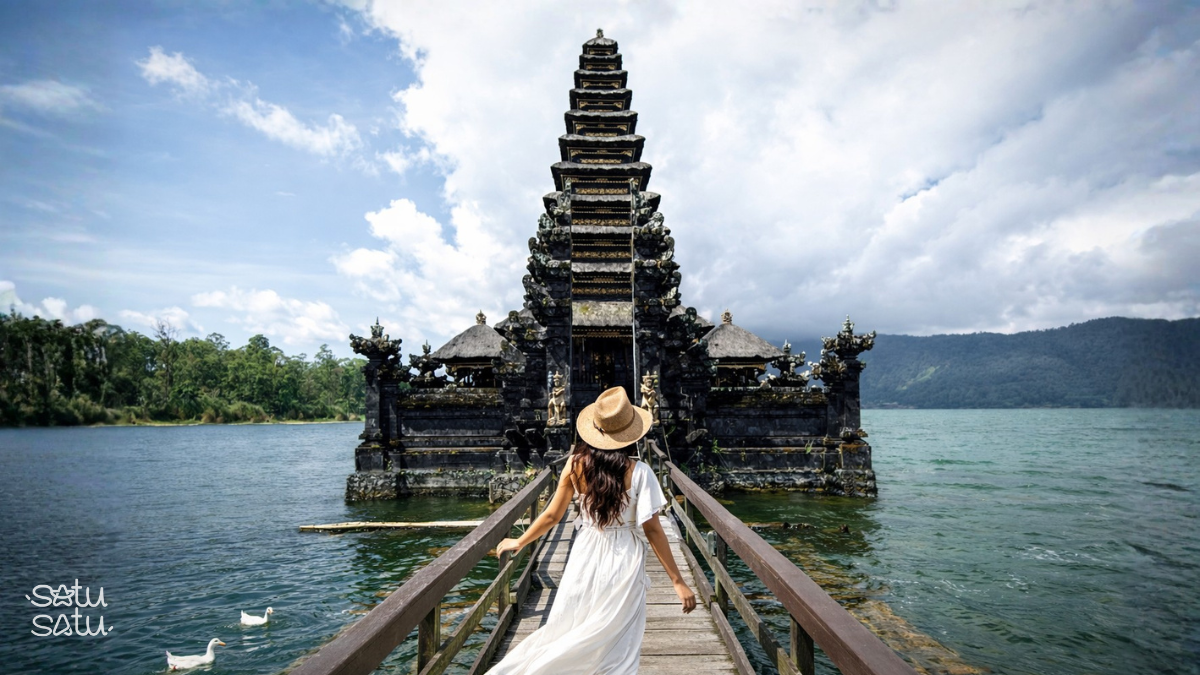
As the route climbs toward Kintamani, the landscape opens into volcanic highlands where one of Bali’s most important temples quietly stands: Pura Ulun Danu Batur. Many travelers confuse it with the more famous Ulun Danu Bratan, the photogenic “floating temple” often seen on postcards and older Indonesian banknotes. However, the two temples serve very different roles.
Ulun Danu Bratan sits beside Lake Bratan in Bedugul, surrounded by cool mountain air and calm waters. By contrast, Ulun Danu Batur lies within the dramatic caldera of Mount Batur in Bangli, offering wide temple grounds framed by volcanic scenery and views of an active mountain.
Beyond its appearance, the significance also differs. While Bratan is widely known as a visual icon, Ulun Danu Batur is considered one of Bali’s most important water temples and part of the island’s Pura Sad Kahyangan, a group of key spiritual sites that protect Bali’s balance. The temple honors Dewi Danu, the goddess of water, reflecting how closely Balinese life depends on natural water sources for agriculture and daily rituals.
Set at roughly 1,200 meters above sea level, the area feels cooler and quieter than the southern coast. For travelers, the experience feels less like a photo stop and more like stepping into a living cultural landscape where spirituality, nature, and volcanic energy meet.
Karangasem: East Bali’s Quiet Strength
Continue east and the island opens into wide landscapes framed by Mount Agung. Karangasem offers a very different Bali. The pace slows, the coastline becomes rugged, and villages feel deeply rooted in tradition.
This region attracts travelers who prefer depth over convenience. Ancient water palaces, coastal viewpoints, and quiet roads make exploration feel intimate. Rather than polished tourism zones, Karangasem offers glimpses into daily Balinese life that feel genuine and unfiltered.
There’s more to East Bali to discover.
Tulamben: Where History Sleeps Beneath the Sea
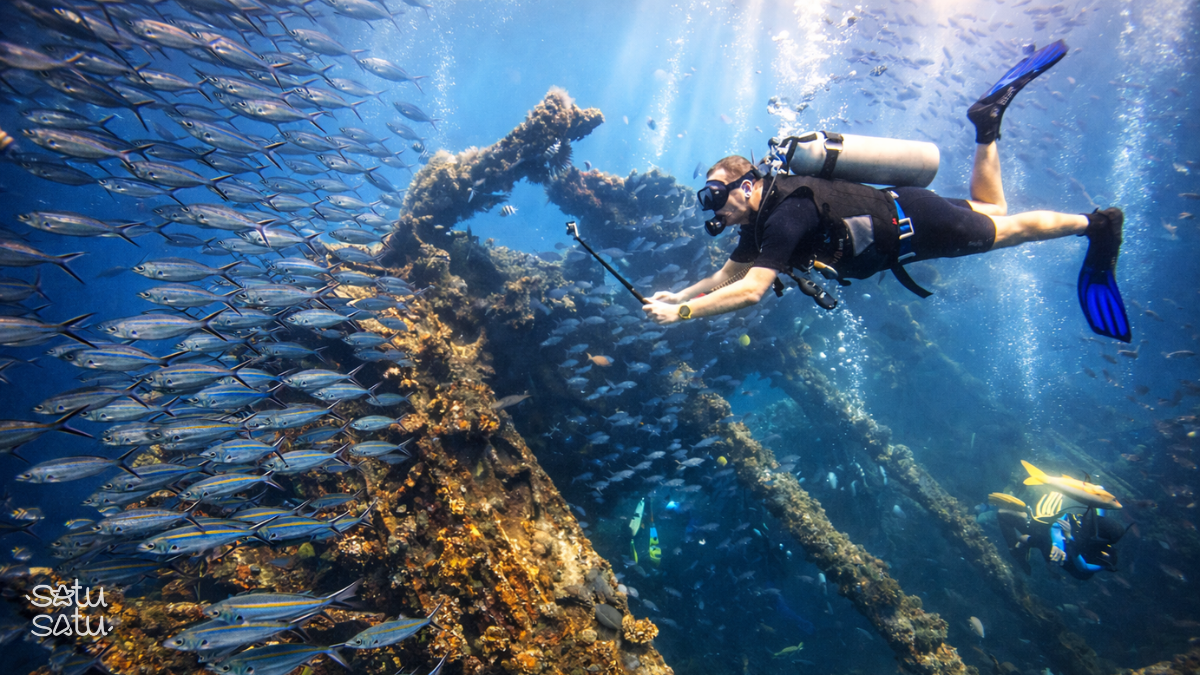
Further north along the coast lies Tulamben, a place famous among divers but still surprisingly peaceful above water. Just offshore rests the USAT Liberty shipwreck, a World War II vessel now covered in coral and marine life.
The wreck sits close to shore, making it accessible even for beginner divers. Over time, nature transformed metal into a thriving reef, creating one of Bali’s most iconic underwater landscapes.
Divers often recommend early morning entry to avoid crowds and experience calmer conditions. However, even non-divers appreciate the quiet shoreline and volcanic scenery that define Tulamben’s mood.
While you’re in Tulamben, consider to take Discovery Scuba to see what Bali’s underwater has to offer.
Why This Route Feels Different
What connects these places isn’t just geography. It’s energy.
Munduk’s cool forests, Lovina’s calm sea, Singaraja’s history, Kintamani’s sacred atmosphere, and Tulamben’s underwater world all reveal a Bali that feels more personal. Instead of chasing highlights, travelers move through landscapes that invite curiosity and reflection.
For Gen Z travelers especially, this aligns with a growing desire for meaningful experiences rather than crowded attractions. The path less traveled doesn’t feel empty. It feels intentional.
The New Definition of Bali Hidden Gems
Bali hidden gems aren’t always secret locations. Sometimes they’re simply places that allow you to slow down enough to notice what was always there.
And maybe that’s the real magic. Not finding something unknown, but seeing Bali from a different perspective.
Discover more thoughtfully curated journeys and local experiences at SatuSatu, where travel becomes more personal with every step.