Language of Bali – When travelers arrive at Ngurah Rai International Airport, they are greeted by the warm tropical air, the scent of incense, and a melodic, rhythmic greeting: “Om Swastiastu.” This isn’t just a simple “hello”; it is the gateway to the Bali language, a linguistic treasure that reflects the island’s complex social hierarchy, deep spiritual roots, and vibrant daily life.
To truly experience the “Real Bali,” one must look beyond the surf breaks and beach clubs. Understanding the nuances of the local tongue allows you to connect with the Balinese people on a level that most tourists miss. As you plan your cultural immersion, remember that the best way to bridge the gap between sightseeing and soul-searching is to book activities via SatuSatu, your local partner for authentic Balinese experiences.
1. An Introduction to the Bali Language (Basa Bali)
The Bali language, or Basa Bali, is a Malayo-Polynesian language spoken by approximately 3.3 million people. While almost everyone on the island is bilingual—speaking both the national language, Bahasa Indonesia, and their native Balinese—it is the latter that holds the keys to the island’s ceremonies, traditional arts, and family structures.
What makes the Bali language unique—and occasionally challenging for outsiders—is its caste-based system. Much like the layers of a Balinese temple, the language is divided into distinct levels of formality depending on who is speaking to whom.
The Three Main Tiers of Balinese
-
Basa Ketah (Low/Common): Used between friends, family members of equal status, or when speaking to someone younger.
-
Basa Madia (Middle): A polite, neutral form used in public spaces, markets, or with acquaintances.
-
Basa Singgih (High): A refined, sophisticated version used when addressing priests, elders, or those of a higher caste. It is also the language used in prayer and formal ceremonies.
2. Essential Phrases for Every Traveler
While you don’t need to be fluent in all three tiers, learning a few “Basa Madia” or “Basa Ketah” phrases will earn you immediate respect and a genuine smile from the locals. Here are the essentials:
Greetings and Etiquette
-
Om Swastiastu: The most formal and spiritual greeting. It translates roughly to “Peace and Greetings from God.”
-
Suksma: The most common way to say “Thank you.”
-
Mewali: The response to thank you, meaning “You’re welcome” or “Back to you.”
-
Becik-becik saja: “I am doing well.”
-
Kenken kabare?: “How are you?” (Informal).
Navigating the Market
-
Aji kuda puniki?: “How much is this?”
-
Dados kirang?: “Can the price be lowered?” (A polite way to negotiate).
-
Tiang numbas puniki: “I will buy this.”
Learning these phrases is just the beginning. To put them into practice in a real-world setting, such as a traditional cooking class or a village tour, you should book activities via SatuSatu. Their local guides can help you perfect your pronunciation while you explore the hidden corners of the island.
3. The Influence of Sanskrit and Kawi
The Bali language is heavily influenced by Sanskrit and Old Javanese (Kawi). This is due to the historical ties between Bali and the Majapahit Empire. If you listen closely during a Wayang Kulit (shadow puppet) performance or a temple ceremony, you will hear a version of the language that sounds ancient and mystical.
-
Dharma: A word found in many Balinese names and teachings, referring to “duty” or “cosmic order.”
-
Shanti: Meaning “peace,” often repeated three times at the end of a greeting (Om Shanti, Shanti, Shanti, Om).
Understanding these roots helps travelers appreciate why Balinese culture feels so distinct from the rest of the Indonesian archipelago.
4. The Balinese Script (Aksara Bali)
While the Latin alphabet is used for daily business and street signs, the traditional Aksara Bali script is still very much alive. It is a beautiful, curly Brahmic script that looks like a work of art.
You will see it on:
-
Street signs (usually written below the Latin text).
-
Palm-leaf manuscripts (Lontar).
-
Temple inscriptions.
The script is considered sacred. It is believed that the letters themselves hold spiritual power. If you are interested in calligraphy or ancient history, searching for a Lontar-writing workshop is a fantastic way to spend an afternoon. Again, you can book activities via SatuSatu to find master craftsmen who still teach this dying art.
5. Body Language: The Silent Part of the Bali Language
In Bali, communication isn’t just about what you say; it’s about how you carry yourself. The Bali language is supported by a strict code of physical etiquette.
-
The Head is Sacred: Never touch a Balinese person (especially a child) on the head, as it is considered the most spiritual part of the body.
-
The Left Hand: Avoid giving or receiving items with your left hand, as it is traditionally seen as “unclean.”
-
The Pointing Finger: Avoid pointing with your index finger. Instead, use your thumb or a slight nod of the head.
-
Dress Code: When visiting a temple, wearing a sarong and sash is a form of “visual language” that says you respect the local traditions.
6. Language and the Balinese Naming System
Have you ever wondered why almost everyone you meet in Bali is named Wayan, Made, Nyoman, or Ketut? This is an integral part of the Bali language and social structure. Balinese names usually indicate birth order, regardless of gender:
| Birth Order | Names |
| First Born | Wayan, Putu, Gede |
| Second Born | Made, Kadek |
| Third Born | Nyoman, Komang |
| Fourth Born | Ketut |
If a family has a fifth child, they simply start over with Wayan! Knowing this helps you navigate social interactions. If you meet a “Putu,” you immediately know they are the eldest in their family.
7. Why Learning the Bali Language Enhances Your Trip
Most tourists stick to English or basic Indonesian. By making the effort to learn specific Balinese words, you signal to the locals that you are a “traveler,” not just a “tourist.”
The “Suksma” Effect
The moment you say “Suksma” instead of the Indonesian “Terima Kasih,” the atmosphere changes. Locals often lean in, smile wider, and might even offer you a bit of “inside information”—the best time to visit a waterfall or a recommendation for a local warung that isn’t on Google Maps.
8. Preserving the Bali Language in a Modern World
With the rise of global tourism and the dominance of the Indonesian language in schools, the Bali language faces challenges. However, the Balinese government and local communities are fighting to keep it alive.
-
Language Festivals: Bali hosts annual festivals dedicated to the Balinese language, featuring poetry slams, speech contests, and script-writing competitions.
-
Modern Music: Local bands often write lyrics in Balinese to appeal to the youth and keep the language “cool.”
By engaging with the language, you are contributing to the preservation of a unique cultural heritage.
9. How to Practice Your Bali Language Skills
The best place to practice isn’t in a classroom; it’s in the real Bali. Here are a few ways to immerse yourself:
-
Visit a Traditional Market: Markets in places like Gianyar or Ubud are the heart of the community. Try out your numbers and bargaining phrases here.
-
Attend a Village Ceremony: If you are lucky enough to be invited to a wedding or a temple anniversary (Odalan), listen to the priests and the elders.
-
Stay in a Homestay: Living with a Balinese family provides a 24/7 immersion experience.
-
Book a Guided Experience: When you book activities via SatuSatu, ask your guide to teach you one new Balinese word every hour. It’s a fun way to learn while you hike, surf, or explore.
10. Bali Language vs. Bahasa Indonesia: What’s the Difference?
It is a common misconception that they are the same. While they share some loanwords, they are as different as Spanish is from Italian.
-
Bahasa Indonesia is the “Lingua Franca”—the language of education, government, and the media. It is relatively easy to learn as it has no conjugation or tones.
-
Basa Bali is the “Language of the Heart”—it is used for intimate conversations and spiritual matters. It is much more complex due to its social levels.
If you have limited time, focus on Indonesian for utility, but learn Balinese for connection.
11. Conclusion: A Slap of Spice and a Whisper of Peace
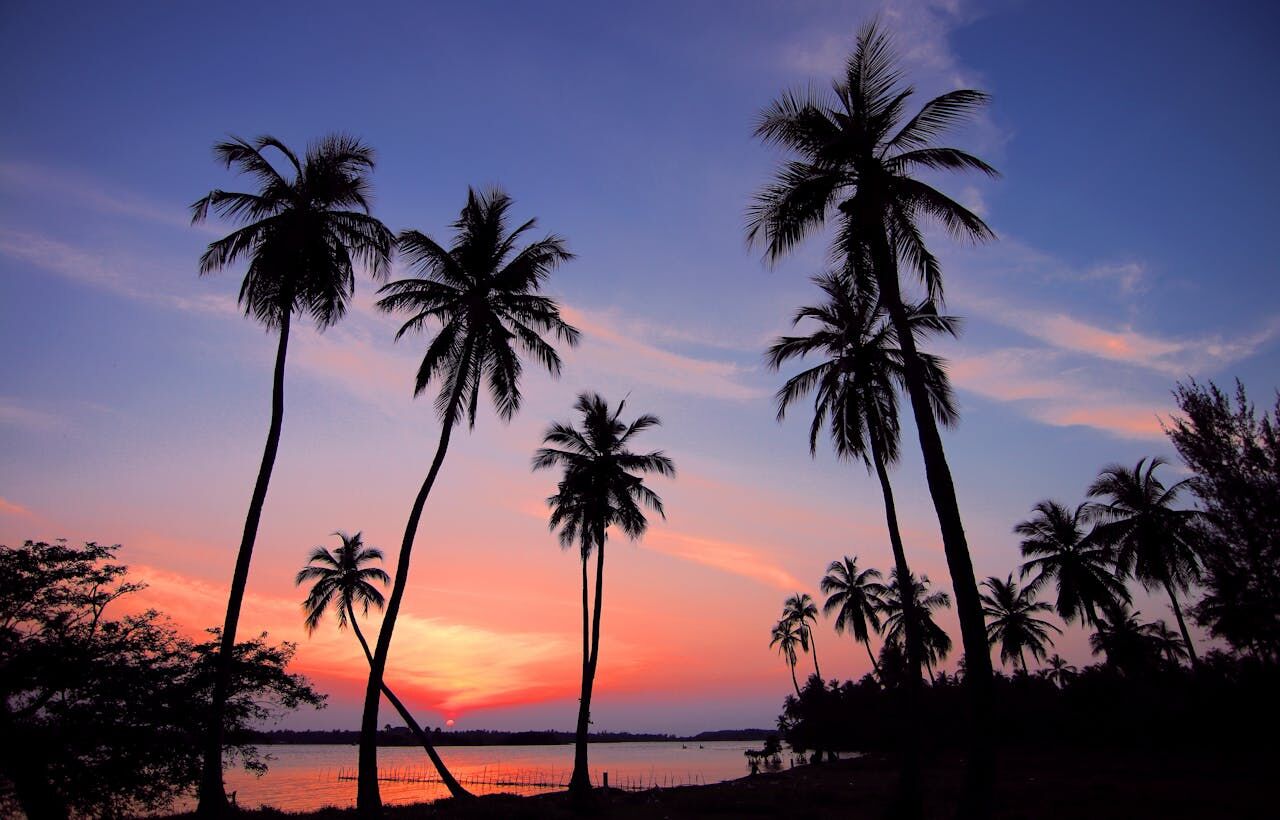
The Bali language is a reflection of the island itself: complex, beautiful, hierarchical, yet deeply welcoming. It is the sound of the wind through the palm trees, the rhythmic chanting of a priest, and the laughter of children in the village square.
When you take the time to learn the language, you are not just learning words; you are learning a philosophy. You are learning that every interaction is an opportunity for respect, and every “Suksma” is a prayer of gratitude.
Bali is waiting to tell you its secrets. Are you ready to listen? Don’t forget to book activities via SatuSatu to turn your travel dreams into a reality, and start your linguistic journey today.
Quick Bali Language Reference Table
| English | Balinese (Polite) | Pronunciation Hint |
| Hello | Om Swastiastu | Om Swas-ti-as-tu |
| Thank You | Suksma | Sook-sma |
| You’re Welcome | Mewali | Me-wah-lee |
| How are you? | Sapune kabare? | Sa-pu-nay ka-ba-ray |
| Good | Becik | Be-chik |
| Goodbye | Pamit Dumun | Pa-meet Doo-moon |