Morning arrives differently in Kintamani. Instead of motorbikes and beach clubs, cool mountain air drifts across a vast caldera while clouds move slowly between volcanic ridges. For travelers searching for memorable Kintamani Bali experiences, this highland region reveals a quieter, more elemental side of the island. Here, landscapes shape daily life, traditions remain deeply rooted, and every viewpoint feels earned rather than staged.
Located about two hours from southern Bali, Kintamani rewards those willing to trade coastal buzz for altitude. Moreover, the journey itself becomes part of the experience, as roads climb past bamboo forests, orange groves, and villages that seem suspended between sky and earth.
Watch the Sunrise from Mount Batur
Few moments in Bali rival the stillness before sunrise on Mount Batur. Most hikes begin in darkness; however, that early start transforms the experience into something almost ceremonial. As the first light breaks, the surrounding peaks soften into gold while Lake Batur mirrors the changing sky.
If you prefer a gentler approach, consider reading A Complete Guide to Mount Batur Sunrise Trekking before planning your route. The guide explains terrain, timing, and what to expect, therefore helping you arrive prepared rather than rushed.
Although the climb is manageable for most active travelers, sturdy shoes and layered clothing make a significant difference. Once at the summit, many guides prepare simple volcanic-steamed eggs, which taste unexpectedly luxurious in the crisp mountain air.
Drift Above the Clouds in Pinggan Village
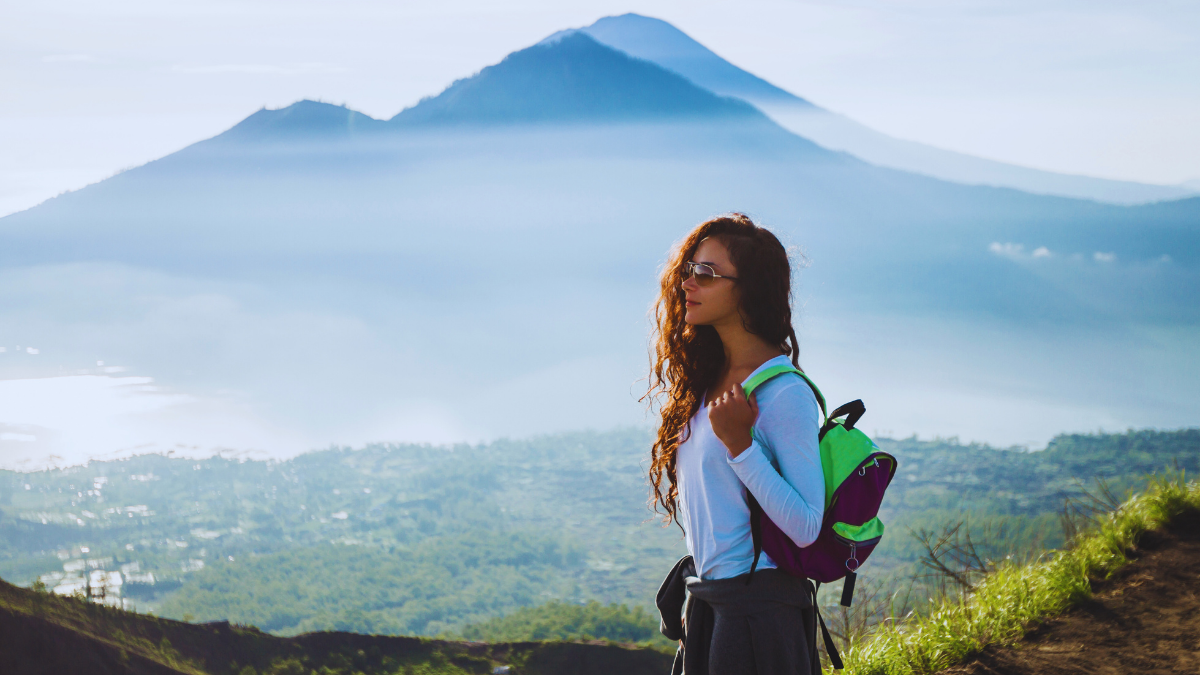
Just north of the volcano lies Pinggan Village, a place photographers quietly revere. Arrive before dawn, and you may witness fog pouring into the valley like a slow tide. Meanwhile, Mount Batur rises above the mist, creating a layered panorama that feels almost surreal.
Because the viewpoint remains relatively uncrowded, the atmosphere encourages pause rather than performance. Bring a warm jacket, sip local coffee from a roadside stall, and allow the landscape to reveal itself gradually.
For travelers drawn to scenic vantage points across the island, the best sunrise spots in Bali offer additional perspectives worth exploring.
Slow Down Along the Shores of Lake Batur
After the morning’s drama, Lake Batur invites a slower rhythm. The crescent-shaped lake fills much of the ancient caldera, and its presence subtly moderates the surrounding climate. As a result, afternoons often feel refreshingly mild compared to Bali’s coastal heat.
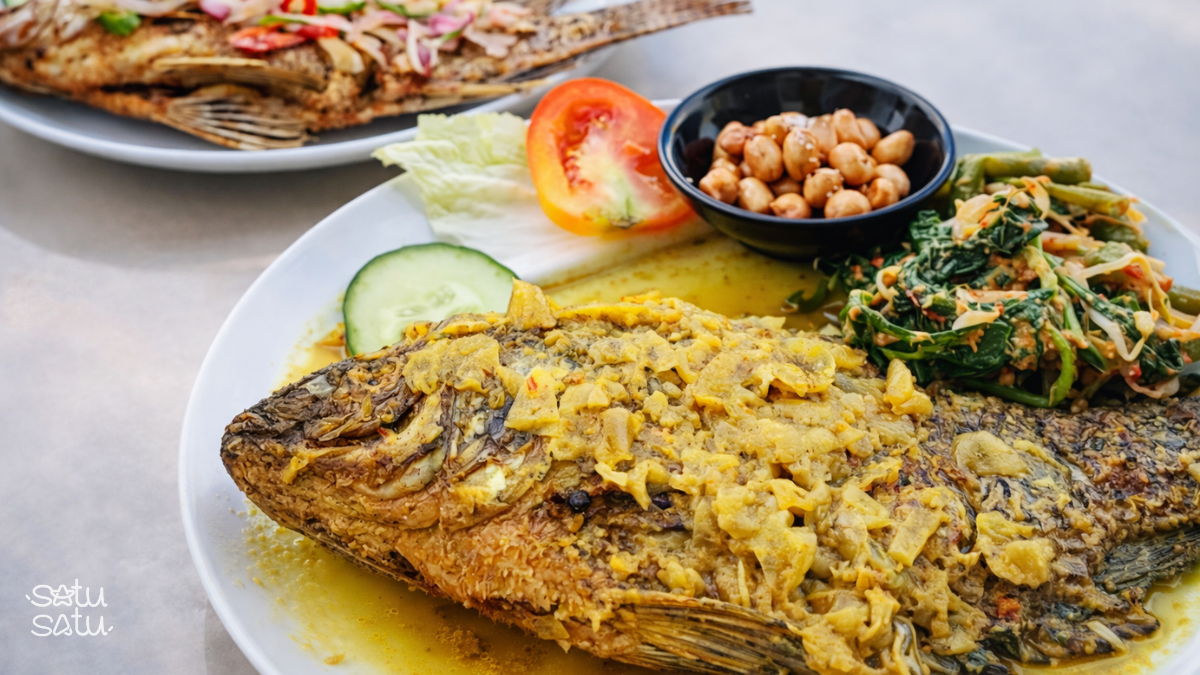
Rent a small boat, cycle along quiet roads, or simply settle into a lakeside warung for grilled freshwater fish. Because the area supports local fishing communities, meals here often arrive notably fresh.
Travelers interested in balancing activity with restoration might enjoy pairing the lake visit with ideas from nature escapes in Bali, which highlights destinations where scenery encourages genuine disconnection.
Pura Ulun Danu Batur: Bali’s Spiritual Heartbeat in the Highlands
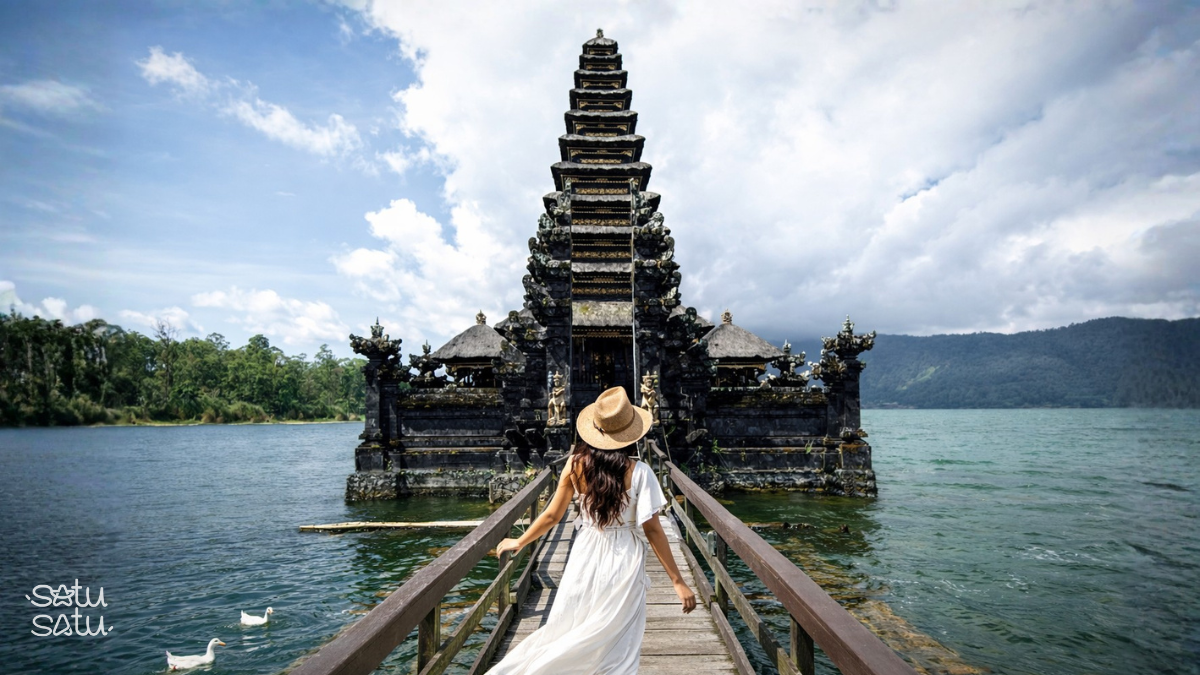
Pura Ulun Danu Batur deserves special attention, partly because it is frequently confused with another temple. Importantly, this is not the same as Pura Ulun Danu Beratan, the iconic water temple that appears to float on Lake Beratan in Bedugul. While Beratan captivates with photogenic symmetry, Ulun Danu Batur carries deeper ceremonial significance.
Dedicated to Dewi Danu, the goddess of water and fertility, the temple supports Bali’s centuries-old irrigation philosophy. Therefore, its role extends far beyond architecture; it helps sustain the agricultural systems that nourish the island.
The current complex was rebuilt after a major volcanic eruption in 1926, yet it retains a sense of timeless authority. Tiered meru towers rise against the mountain backdrop, and offerings appear throughout the courtyards in careful, daily choreography.
Dress modestly, move respectfully, and observe rather than interrupt. Unlike heavily trafficked temples, Ulun Danu Batur often feels contemplative, inviting visitors into Bali’s spiritual cadence rather than presenting it as spectacle.
Taste the Highlands: What to Eat in Kintamani
Altitude changes flavor. Volcanic soil enriches local farms, cooler temperatures support Arabica coffee cultivation, and nearby orchards produce citrus with bright acidity.
Start with a leisurely brunch overlooking the caldera. Many cafés along Penelokan Ridge design their terraces toward the volcano, so views unfold naturally without theatrical staging. Order a cup of locally grown coffee; then notice how its clean body reflects the region’s terroir.
For a deeper culinary perspective, explore traditional Balinese dishes you should try before your visit. Knowing what to look for often transforms a simple meal into cultural discovery.
Do not overlook mujair nyat-nyat, a spiced tilapia dish simmered in aromatic herbs. Because the fish comes directly from Lake Batur, the preparation speaks clearly of place.
Soak in Volcanic Hot Springs
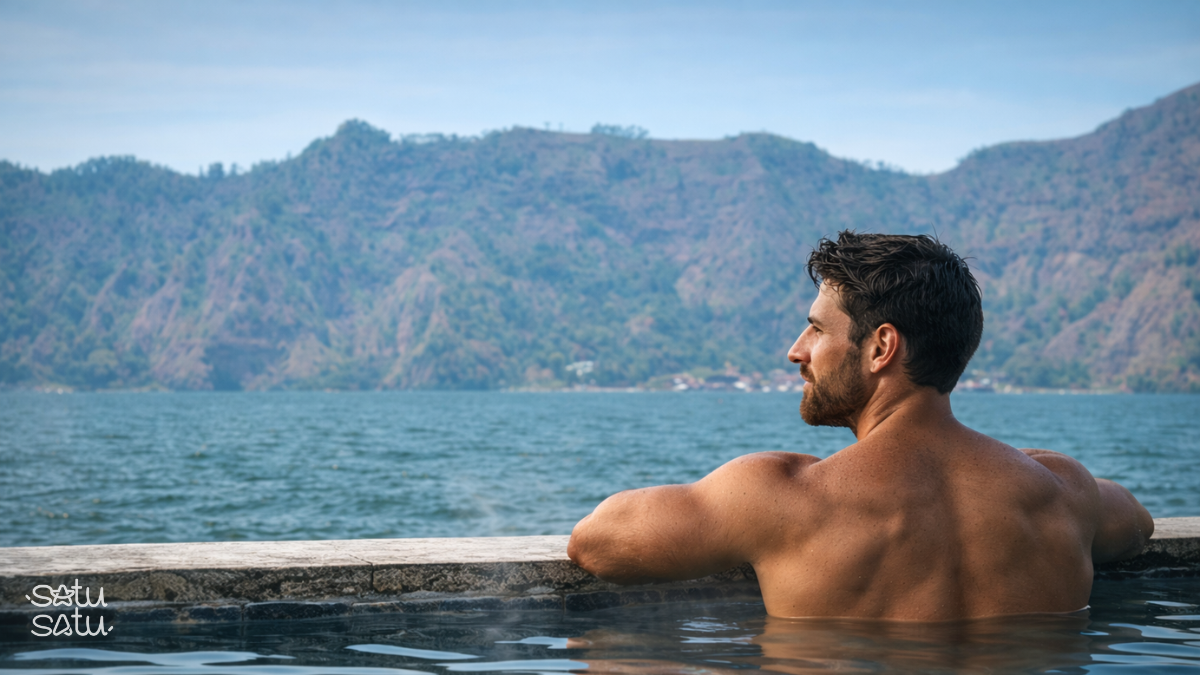
As the day winds down, volcanic hot springs provide an almost poetic finale. Mineral-rich waters warm muscles that may still remember the morning hike, while the lake stretches quietly beyond the pools.
Arrive near sunset if possible. The light softens, steam rises gently, and conversations naturally quiet. In that moment, Kintamani feels less like a destination and more like a landscape you temporarily belong to.
When to Visit Kintamani
Dry season months from April through October typically deliver clearer skies. Nevertheless, early mornings remain chilly year-round, so packing layers prevents unnecessary discomfort.
Because Kintamani sits at higher elevation, weather shifts quickly. Therefore, building flexibility into your itinerary allows the region to be experienced without hurry.
Kintamani does not compete for attention; instead, it rewards curiosity with depth, texture, and perspective. When you are ready to explore journeys shaped by landscapes and local insight, discover more thoughtfully curated inspiration at SatuSatu.