Getting around Bali without a scooter or private driver used to feel like an all-or-nothing situation. But Trans Metro Dewata has been quietly changing that story and if you’re planning a trip around Denpasar, Ubud, Kuta, or Sanur, knowing how this bus system works could save you time, money, and a lot of traffic frustration.
Whether you’re a first-time visitor curious about Bali’s public transport or a budget-conscious traveler trying to cover more ground, this guide breaks down everything you need to know.
And if you’d rather skip the planning altogether, SatuSatu.com has flexible transport and experience options for every kind of Bali trip.
What Is Trans Metro Dewata?
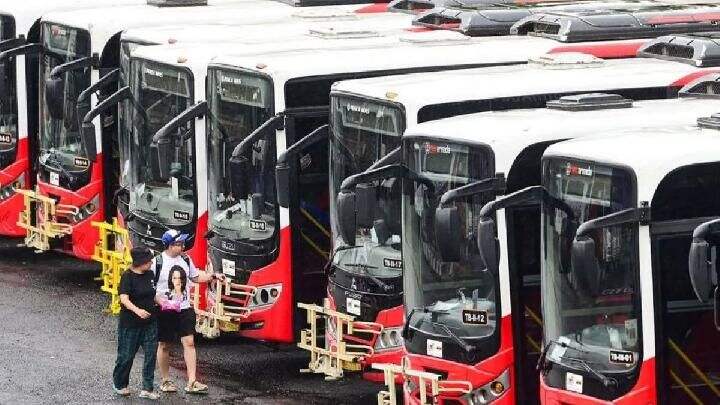
Trans Metro Dewata (TMD) is Bali’s government-subsidized Bus Rapid Transit (BRT) system, designed to reduce traffic congestion, cut emissions, and give locals and tourists a reliable alternative to private vehicles.
The name “Dewata” refers to the gods a fitting nod to Bali’s spiritual identity while “Metro” reflects its urban transit ambitions.
Launched on 7 September 2020, TMD covers the greater Sarbagita region, which includes Denpasar, Badung, Gianyar, and Tabanan. The buses are easy to spot: bold red-and-black livery, modern interiors, and dedicated bus stops equipped with real-time tracking displays.
The system was temporarily paused in January 2025 due to budget restructuring, but returned in April 2025 with strong demand over 1,400 passengers boarded on its first day back. It’s now confirmed to operate through 2026 with a fleet of up to 75 active units.
Routes and Coverage
TMD currently operates six main corridors, each connecting key urban hubs and tourist destinations. Here’s a quick breakdown:
- K1B Sentral Parkir Kuta to Terminal Pesiapan (Tabanan) This corridor stretches about 59 km with 59 stops, making it one of the longest routes. It’s useful for reaching areas in West Bali or Tabanan province. First bus departs at 04:30 WITA, last at 18:30.
- K2B Terminal Ubung to Ngurah Rai Airport One of the most practical for travelers. This 33 km route with 38 stops connects Bali’s main northern bus terminal directly to the international airport. Departures run from 05:00 to 18:50 WITA.
- K3B Terminal Ubung to Pantai Matahari Terbit (Sanur) Covers 32 km across 24 stops, linking Ubung with the popular Sanur beachfront. Operates 05:00 to 19:10 WITA.
- K4B Terminal Ubung to Sentral Parkir Monkey Forest (Ubud) A highly useful route for visitors heading to Ubud. The terminal drops you right at the Monkey Forest parking area, giving you walkable access to central Ubud. Operates 05:00 to 18:40 WITA.
- K5B Sentral Parkir Kuta to Politeknik Bali / Ubung 64 stops across 34 km. A backbone route connecting South Bali with northern Denpasar. Runs 05:00 to 18:45 WITA.
- K6B Sentral Parkir Kuta to Nusa Dua Connects Kuta’s commercial hub with the upscale Nusa Dua resort area. Operating hours run 05:00 to 19:10 WITA.
Across all corridors, buses depart roughly every 10 minutes during peak hours. Full operational hours run from 04:30 to 22:00 WITA on most days.
Ticket Prices and How to Pay
Trans Metro Dewata keeps things refreshingly affordable. The standard adult fare is a flat Rp4,400 regardless of distance one of the most budget-friendly ways to move around the island. Discounted fares of Rp2,000 apply for students, senior citizens, people with disabilities, and university students with a valid ID.
Payment is cashless. You can tap in using an e-money card (such as Flazz, e-money, or Brizzi), scan via QRIS, or use other non-cash methods at the bus stop reader. Make sure to tap out at the rear door when disembarking, as this is part of the fare validation process.
There’s also a dedicated Trans Metro Dewata app available on Android and iOS. The app lets you track the nearest bus in real time, check route maps, and even use an AR feature to identify nearby shelters.
For anyone navigating Bali’s transit system for the first time, having the app open makes the whole experience considerably smoother.
How to Ride: Step by Step
Using TMD is genuinely straightforward once you know the flow. Locate your nearest designated TMD bus stop these are marked shelters, not roadside flags. Check the route signage or app to confirm you’re at the right corridor stop for your destination.
When the bus arrives, board from the front door and tap your payment card or scan QR on the reader. Take a seat, enjoy the air conditioning, and when you reach your stop, make your way to the rear door and tap out before exiting. That’s it.
One thing worth noting: TMD stops are fixed and spread across busy urban corridors, so the system works best for trips between the major hubs it serves.
If you’re staying in a more remote part of Bali like Seminyak’s narrower gang streets, the rice terraces of Tegallalang, or the cliffs of Uluwatu TMD will get you close, but not all the way there.
Who Is Trans Metro Dewata Best For?
TMD is a genuinely good option for budget travelers, solo adventurers, and anyone who doesn’t mind a bit of planning. If you’re staying near Kuta and want to explore Ubud without dealing with traffic or negotiating fares, the K4B corridor is your friend.
If you land at Ngurah Rai and want to get to Ubung terminal without paying premium rates, K2B covers that journey for under Rp5,000.
For groups, families, or travelers with a packed itinerary who value door-to-door convenience and flexible timing, the experience is quite different.
Bus schedules are fixed, the last departures typically wrap up before 19:30, and reaching off-corridor destinations still requires additional transport. In those cases, a private charter arrangement gives you the flexibility that a fixed-route bus system simply can’t offer.
Explore Bali Further with SatuSatu
Whether you’re using TMD for part of your trip or planning a fully private itinerary, SatuSatu.com has the transport and experience options to make your Bali trip run smoothly with local support, instant booking, and zero hidden fees.
The SatuSatu Airport Transfer is the easiest way to start your trip right a door-to-door ride from Ngurah Rai Airport to anywhere in Bali, with transparent pricing, same-day booking, and no airport taxi haggling involved.
The SatuSatu Exclusive Car Charter is ideal for those days when you want to cover multiple spots on your own timeline a dedicated local driver, fully flexible itinerary, and all bookable directly through SatuSatu.com starting from Rp450,000.
If your route takes you through Ubud, particularly along the TMD K4B corridor the Monkey Forest Entry Ticket with Transfer on SatuSatu.com is worth adding to your day. It includes direct access to the Sacred Monkey Forest Sanctuary in the heart of Ubud, with transfer included so you’re not figuring out the last-mile connection yourself.
All bookings go directly through SatuSatu.com with local payment methods supported including BCA, Mandiri, OVO, DANA, credit cards, and more.
FAQ about Trans Metro Dewata
Is Trans Metro Dewata free?
No, but it’s very affordable. The standard fare is Rp4,400 for adults, with a discounted rate of Rp2,000 for students, seniors, and people with disabilities. There was a free trial period for electric buses in the past, but regular routes now apply the flat fare system.
Can tourists use Trans Metro Dewata?
Absolutely. There are no ID restrictions for riding TMD. As long as you have a cashless payment method e-money card or QRIS you can board any corridor just like a local.
Does Trans Metro Dewata go to Ngurah Rai Airport?
Yes. Corridor K2B connects Terminal Ubung in northern Denpasar directly to the airport. It’s one of the most practical routes for travelers watching their budget, though timing and luggage comfort are worth factoring in.
What app should I use for Trans Metro Dewata?
Download the official Trans Metro Dewata app on Android or iOS. It shows real-time bus locations, route maps, and AR shelter identification useful for first-time users navigating the system.
What are Trans Metro Dewata’s operating hours? The full system runs from approximately 04:30 to 22:00 WITA, though the last departure times vary by corridor most final buses leave between 18:30 and 19:10 WITA. Check the app for the most current schedule on your specific route.